
India’s automotive landscape is undergoing a silent yet powerful transformation. While electric vehicles dominate headlines, hybrid cars are steadily building a strong foundation as a practical and realistic alternative for Indian buyers. Hybrid cars in India combine the efficiency of electric motors with the reliability of internal combustion engines, offering a balanced solution that suits the country’s diverse driving conditions, infrastructure limitations, and consumer mindset.
Unlike fully electric vehicles, which depend heavily on charging infrastructure that is still evolving across India, hybrid cars eliminate range anxiety. You don’t have to search for charging stations or wait hours to recharge. Instead, hybrids seamlessly switch between petrol engines and electric motors, optimising performance and efficiency in real time. This makes them particularly appealing in cities with heavy traffic like Delhi, Mumbai, Jaipur, and Bengaluru, where stop-and-go driving can significantly benefit from electric assistance.
Over the last few years, automakers such as Toyota, Honda, and Maruti Suzuki have introduced advanced hybrid technology in India. These vehicles are not just fuel-efficient; they also represent a shift toward cleaner mobility without demanding a drastic lifestyle change from buyers. In a country where fuel prices remain volatile and environmental concerns are rising, hybrid cars are emerging as a practical bridge between traditional petrol vehicles and future electric mobility.
understanding Hybrid Technology
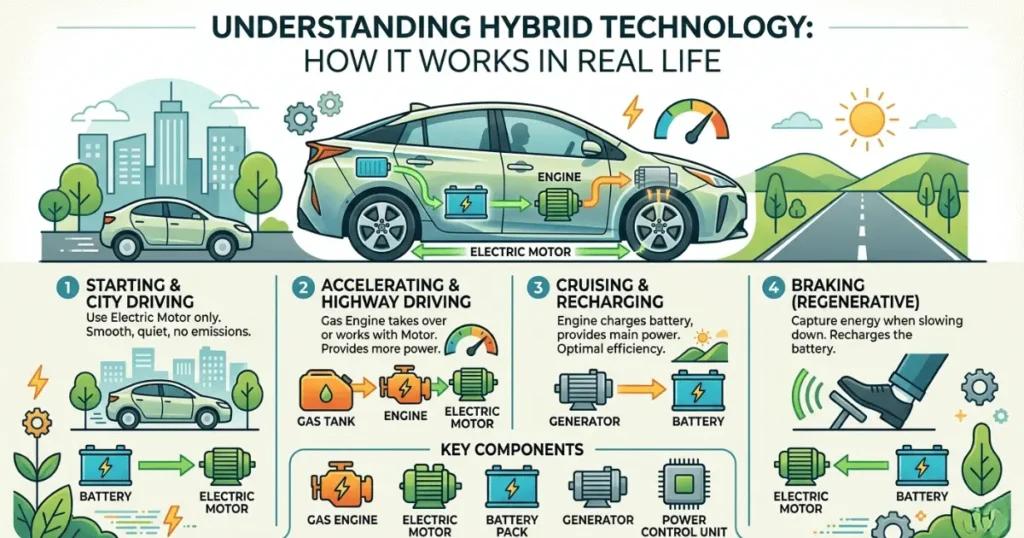
To truly appreciate hybrid cars, it’s important to understand how they function. At their core, hybrid vehicles use two power sources: a petrol engine and an electric motor. These components work together in different ways depending on the type of hybrid system.
In a strong hybrid system, the car can run entirely on electric power at low speeds, such as in city traffic. The petrol engine kicks in when higher speed or additional power is needed. The system automatically manages the transition, so the driver doesn’t need to intervene. Vehicles like the Toyota Hyryder and Honda City e:HEV use this technology effectively.
Mild hybrid systems, on the other hand, provide assistance to the petrol engine rather than driving the car independently. They help improve fuel efficiency and reduce emissions but cannot run the car solely on electric power. Maruti Suzuki has popularised this system in India across several models.
There is also the concept of regenerative braking, which plays a crucial role in hybrid efficiency. Whenever you apply brakes or decelerate, the system converts kinetic energy into electrical energy and stores it in the battery. This stored energy is then reused to power the electric motor, reducing fuel consumption and improving overall efficiency.
This intelligent integration of mechanical and electrical systems allows hybrid cars to deliver better mileage, a smoother driving experience, and lower emissions compared to conventional vehicles.
Strong Hybrid Cars
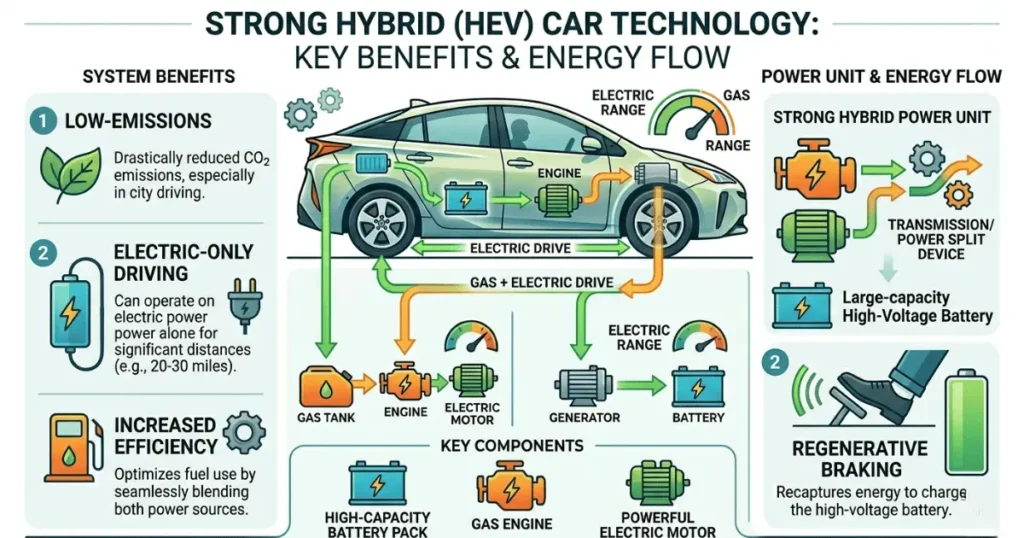
Strong hybrid cars represent the most advanced form of hybrid technology available in India today. These vehicles can run on electric power alone for short distances, especially in urban conditions. The petrol engine works in conjunction with the electric motor, delivering a seamless driving experience.
Cars like the Toyota Urban Cruiser Hyryder and Honda City e:HEV are prime examples. They offer impressive fuel efficiency, often exceeding 25 km/l under ideal conditions. More importantly, they significantly reduce emissions, making them an environmentally responsible choice.
Mild Hybrid Cars
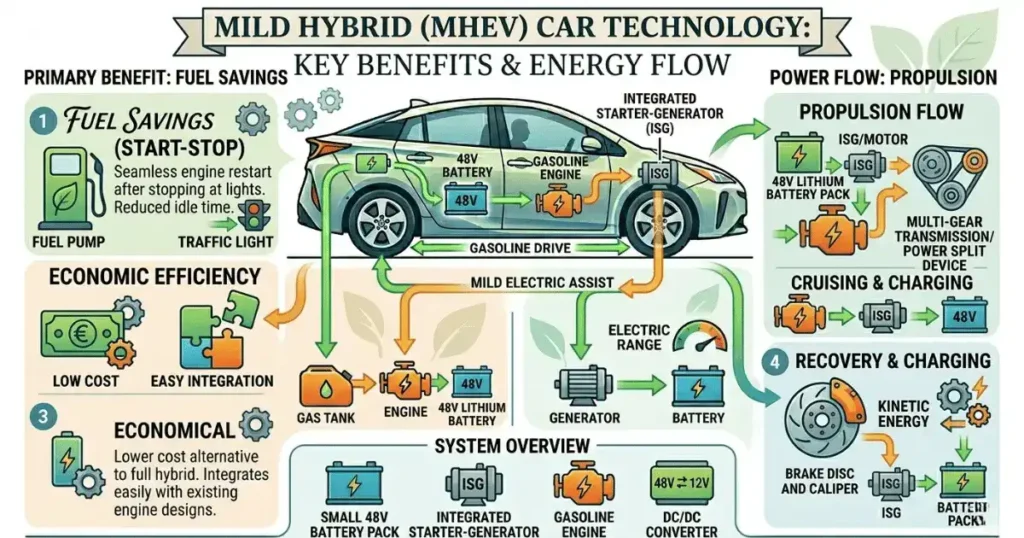
Mild hybrid systems are more affordable and widely adopted in India. These systems assist the engine during acceleration and improve start-stop efficiency. However, they cannot power the car independently.
Models from Maruti Suzuki, such as the Brezza and Ertiga, use mild hybrid technology to enhance fuel efficiency without significantly increasing cost. This makes them an attractive option for budget-conscious buyers.
toyota Urban Cruiser Hyryder Strong hybrid
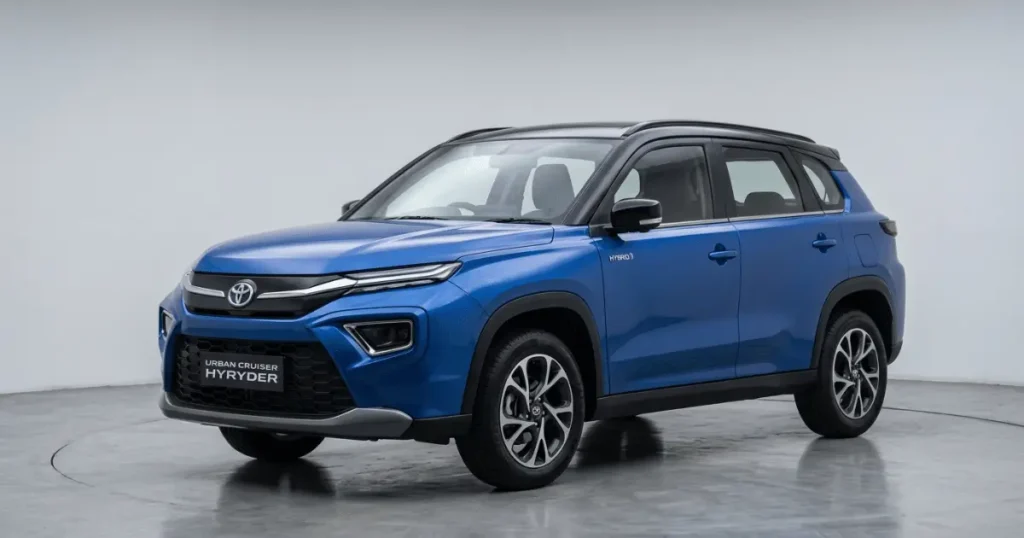
The Toyota Hyryder is the car that made hybrid technology accessible to Indian SUV buyers. It uses a 1.5-litre, 3-cylinder TNGA Atkinson-cycle petrol engine paired with an electric motor, producing a combined output of around 116 PS and 141 Nm torque. This system is paired with an e-CVT gearbox, which eliminates traditional gear shifts and focuses on smooth power delivery.
What makes this SUV special is how it behaves in daily driving. At low speeds, especially in city traffic, the Hyryder can run purely on electric power, meaning zero fuel consumption during slow-moving traffic. The petrol engine comes into play only when required, such as during acceleration or highway cruising.
Toyota claims a mileage of 27.97 km/l, and real-world tests show around 20–22 km/l combined efficiency. In city-heavy usage, many users report even higher efficiency due to EV mode usage.
Driving this car feels very different from a normal petrol SUV. The initial acceleration is smooth and silent because the electric motor delivers instant torque. However, when you push hard, the petrol engine kicks in, and the CVT can feel slightly noisy — something typical of hybrid systems.
From an ownership perspective, this car is extremely economical. Fuel cost savings are significant, especially if you drive daily in traffic. Maintenance is slightly higher than a normal petrol car due to hybrid components, but Toyota’s hybrid system is globally proven for reliability.
Maruti suzuki Grand vitara Strong Hybrid
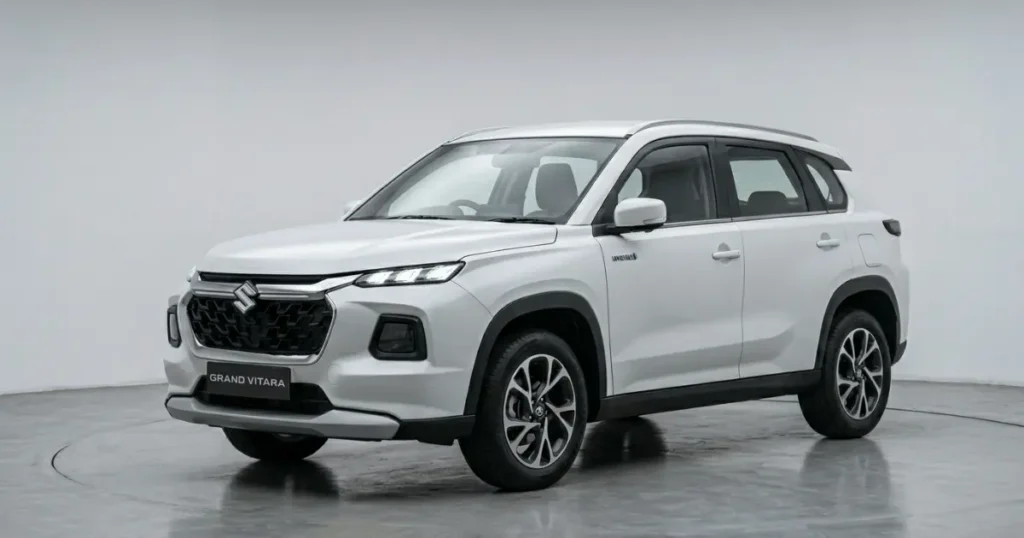
The Grand Vitara strong hybrid shares the same powertrain as the Hyryder but offers a different ownership experience. It uses the same 1.5L petrol + electric motor setup producing 116 PS, along with an e-CVT transmission.
While the mechanicals are identical, the tuning and user experience feel slightly different. The Grand Vitara is tuned more toward comfort and everyday usability. The suspension feels softer, and the cabin design is more modern and user-friendly.
Mileage is identical on paper at 27.97 km/l, and real-world testing shows around 22 km/l average efficiency, making it one of the most fuel-efficient SUVs in India .
Where this car truly shines is ownership. Maruti Suzuki’s vast service network and lower service costs make it a more practical option for buyers in smaller cities and towns. If you plan long-term ownership, this becomes a major advantage.
In terms of driving feel, it behaves similarly to the Hyryder — smooth, refined, and efficient, but not performance-orientated. It is best suited for calm driving rather than aggressive acceleration.
Honda City:HEV
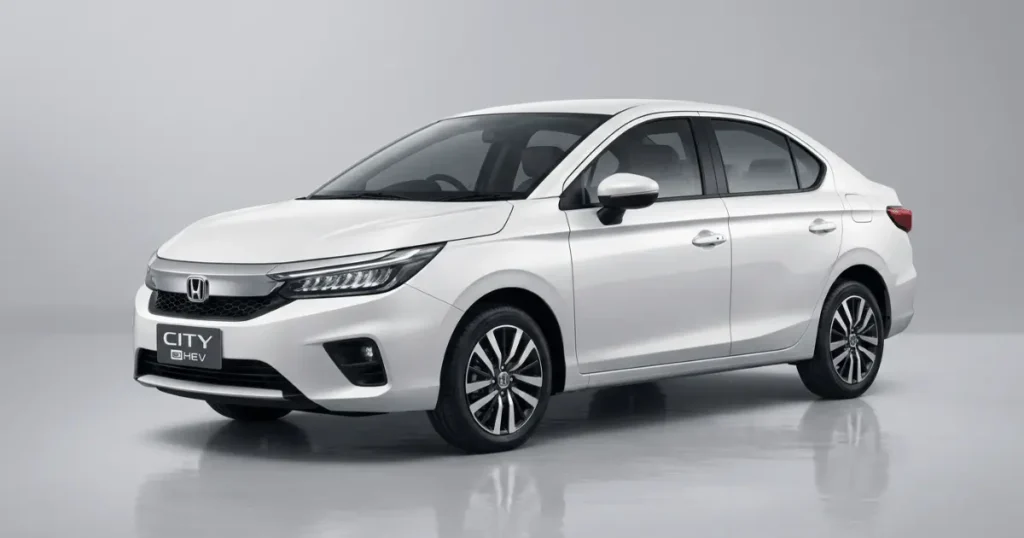
The Honda City e:HEV is technically the most sophisticated hybrid system in India. It uses a 1.5-litre petrol engine with two electric motors, producing a combined output of around 126 PS.
Unlike Toyota’s system, the Honda hybrid works differently. In most situations, the electric motor drives the wheels, while the petrol engine acts as a generator. This makes the car feel more like an electric vehicle than a traditional hybrid.
Mileage is rated at around 23–27 km/l depending on the cycle, and it remains one of the most efficient sedans in India.
Driving experience is where this car truly excels. The acceleration feels instant and linear because of electric motor torque. There are no gear shifts, no jerks, and minimal engine noise. Even at higher speeds, the car remains refined and stable.
Another major highlight is technology. The City e:HEV offers ADAS features, making it one of the safest sedans in its segment. This includes adaptive cruise control, lane assist, and collision mitigation.
Ownership cost is slightly higher initially, but fuel savings compensate over time. If your driving includes a mix of city and highway, this car delivers a near-perfect balance of efficiency and comfort.
Toyota Innova Hycross Hybrid
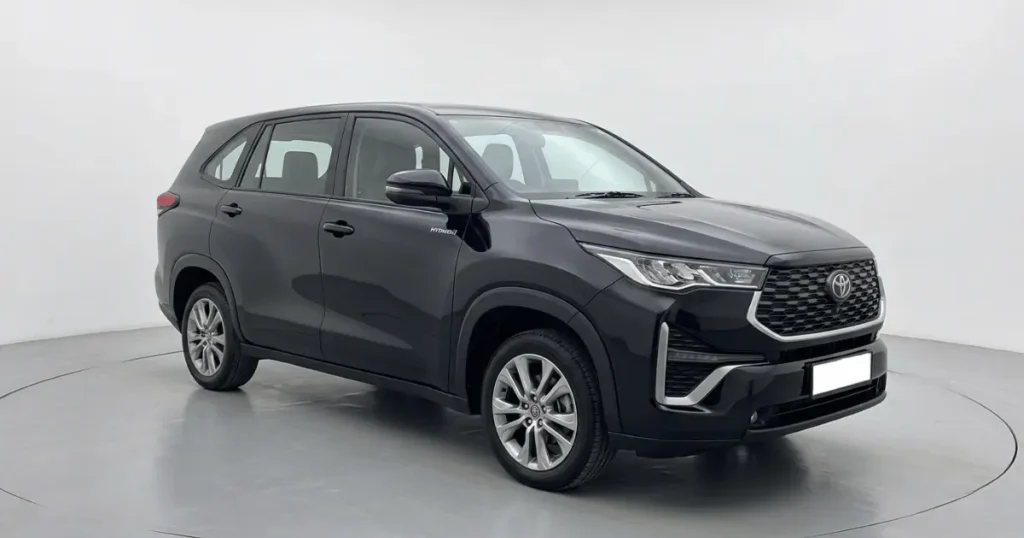
The Innova Hycross hybrid completely changes what people expect from a large MPV. It uses a 2.0-litre petrol engine paired with a strong hybrid system, producing around 184 PS of combined power.
Despite being a large and heavy vehicle, it delivers impressive efficiency. The claimed mileage is around 22–23 km/l, while real-world testing shows around 21 km/l average efficiency .
However, real-world usage varies significantly. In heavy city traffic, mileage can drop to 13–16 km/l, while highway driving improves efficiency.
The driving experience is focused on comfort rather than performance. The car feels smooth, stable, and extremely comfortable for long journeys. The hybrid system reduces engine noise, especially in city conditions.
The biggest strength of the Hycross is practicality. It offers massive cabin space, premium features, and excellent ride comfort, making it ideal for families and long-distance travel.
Ownership cost is higher due to initial price, but fuel efficiency and Toyota reliability make it a long-term value product.
Toyota Camry Hybrid
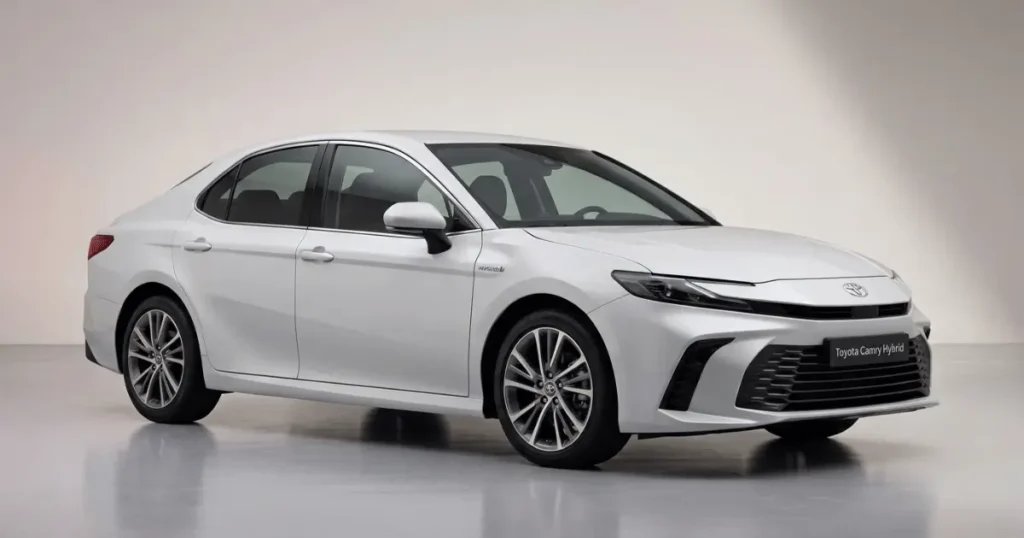
he Toyota Camry Hybrid represents the premium end of hybrid technology in India. It uses a 2.5-litre petrol engine combined with an electric motor, producing around 218 PS of power.
Despite being a luxury sedan, it delivers a mileage of around 25 km/l, which is exceptional for its size.
Driving this car is all about refinement. The cabin is extremely quiet, and the transition between electric and petrol modes is almost unnoticeable. The suspension is tuned for comfort, making it ideal for long highway drives.
This car is not about aggressive performance. Instead, it focuses on smoothness, luxury, and efficiency. It is perfect for buyers who want a premium experience without sacrificing fuel economy.
Toyota Vellfire Hybrid
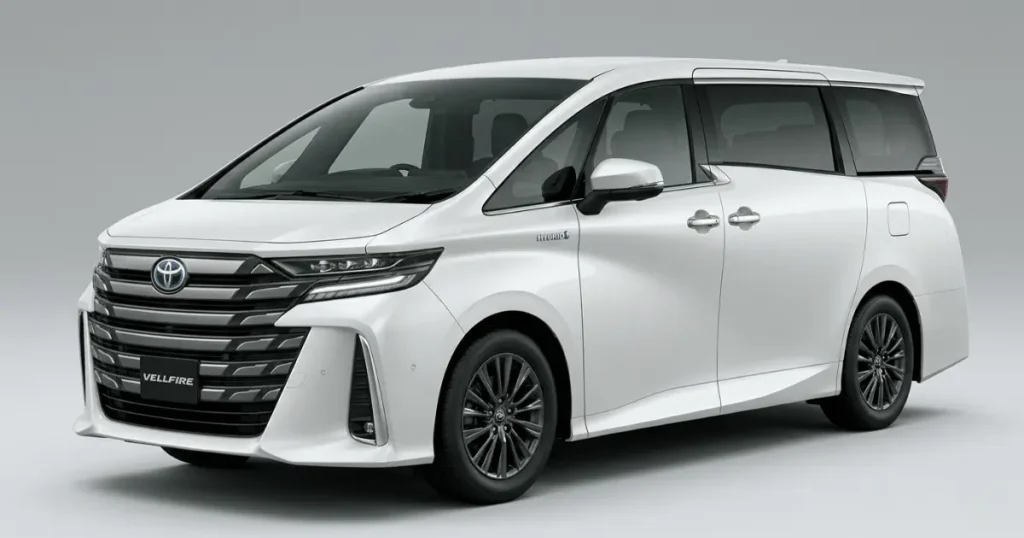
The Toyota Vellfire is a luxury MPV designed for comfort-focused buyers. It uses a 2.5-litre hybrid petrol engine and delivers around 16 km/l mileage .
This car is not about driving — it is about being driven. The rear seats offer a lounge-like experience with reclining seats, ottoman support, and premium materials.
The hybrid system ensures silent operation, especially in city conditions, enhancing passenger comfort.
Final Conclusion: Real Truth About Hybrid Cars in India
Hybrid cars in India are not just about mileage — they are about efficiency + convenience + refinement.
If you drive mostly in the city, hybrids can significantly reduce fuel costs. If you do highway driving, they still offer decent efficiency without the limitations of EVs.
However, they are not perfect. High initial cost and lack of strong government incentives remain challenges. But for buyers who want a balanced, future-ready car, hybrids make complete sense.