
In India, buying a car is not just about the initial price—it is about how much the car will cost you every single day after you bring it home. Fuel prices continue to rise, traffic conditions put constant pressure on engines, and poor roads accelerate wear and tear. Under these circumstances, a low-maintenance car becomes more than a preference—it becomes a necessity.
When you search for the Top 10 Low Maintenance Cars in India, you are essentially looking for vehicles that deliver long-term peace of mind. A good low-maintenance car will combine strong reliability, efficient fuel consumption, affordable spare parts, and an extensive service network. It will not demand frequent repairs, and when it does, the costs will remain predictable and manageable.
This detailed guide goes beyond basic specifications. It explains how each car performs in real life, how much it costs to run per kilometre, and how much you can expect to spend on maintenance every year.
Maruti suzuki Alto K10
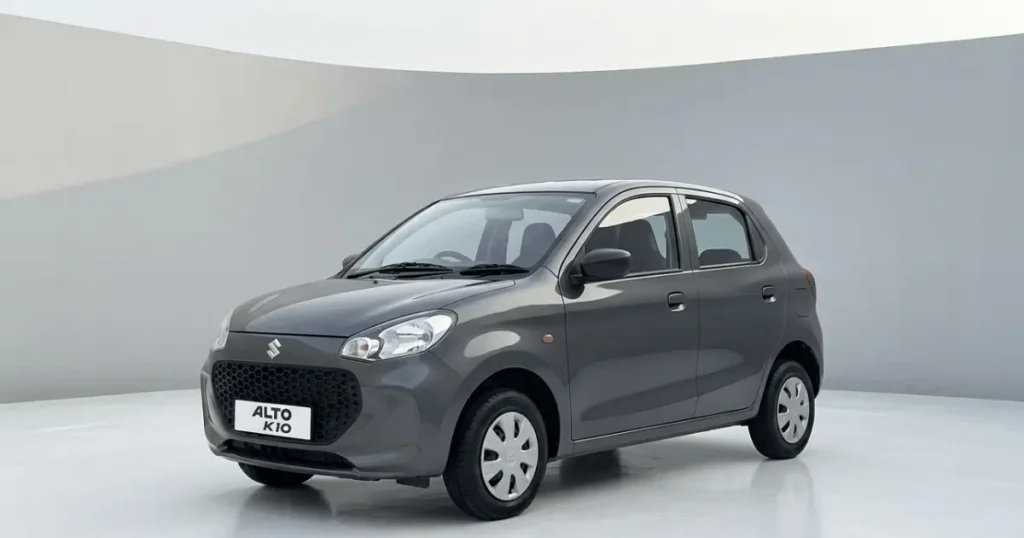
Why the Maruti Suzuki Alto K10 is Among the Top 10 Low-Maintenance Cars in India
When you look for the top 10 low-maintenance cars in India**, the Maruti Suzuki Alto K10 remains one of the most affordable and practical hatchbacks for Indian buyers. Its low running cost, simple maintenance, and excellent fuel efficiency make it a popular choice for daily commuting and budget-friendly ownership.
Excellent Mileage Keeps Running Costs Low
The Alto K10 uses a 1.0-litre K-Series petrol engine that focuses on fuel efficiency rather than aggressive performance. In real-world driving conditions, the petrol version delivers around 20–21 km/l, while the CNG variant can offer nearly 28–30 km/kg.
Because of this efficiency, the running cost stays very low. The petrol model usually costs around ₹5–5.5 per kilometre, while the CNG version can reduce the cost to nearly ₹3 per kilometre. This makes the Alto K10 highly economical for daily city driving.
Affordable Service and Maintenance Cost
One of the biggest reasons why the Alto K10 is counted among the top 10 low-maintenance cars in India is its affordable servicing cost. Maruti has designed the car with mechanical simplicity, which helps reduce repair and maintenance expenses.
The company recommends servicing every 10,000 km or once a year. Basic servicing usually costs between ₹1,500 and ₹2,000, while slightly bigger services generally remain under ₹5,000. Most owners spend only ₹2,000–₹2,500 annually on maintenance, which is extremely low for a four-wheeler.
Low Long-Term Ownership Expense
The Alto K10 remains budget-friendly even after years of ownership. Over five years, total service costs generally stay between ₹12,000 and ₹15,000 depending on driving conditions and usage. Unlike many cars that become expensive as they age, the Alto K10 continues to require mostly routine servicing.
Its spare parts are also very affordable. Common items such as brake pads, filters, lights, and clutch components are priced reasonably. In addition, Maruti’s massive service network across India ensures easy availability of parts and lower labour costs.
Cheap Tyre and Battery Replacement
Periodic replacements like tyres and batteries are also affordable in the Alto K10. A full set of tyres generally costs around ₹12,000–₹14,000, while a battery replacement costs roughly ₹4,000–₹5,000. Even these long-term expenses remain lower compared to many larger hatchbacks and compact SUVs.
Simple Ownership Experience
What truly makes the Alto K10 economical is its predictable ownership experience. The service schedule is simple, spare parts are widely available, and the lightweight construction reduces stress on mechanical components. Its reliable engine and affordable maintenance make it an ideal option for first-time car buyers, students, and daily commuters.
Because of its low fuel cost, inexpensive servicing, affordable spare parts, and dependable reliability, the Maruti Suzuki Alto K10 continues to be one of the top 10 low-maintenance cars in India for budget-conscious buyers.
Maruti Suzuki WagonR
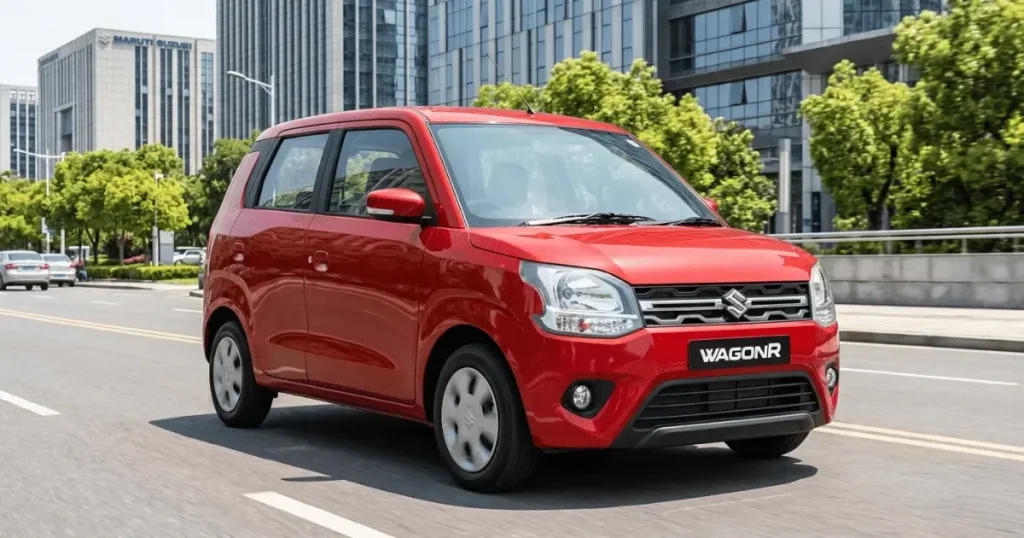
The Maruti Suzuki WagonR has earned a strong reputation in India for its practicality, spacious cabin, and affordable ownership cost. It is widely considered one of the top 10 low-maintenance cars in India because it offers low running expenses, reliable performance, and budget-friendly servicing.
Excellent Fuel Efficiency Reduces Daily Running Cost
The WagonR comes with two petrol engine choices, including a 1.0-litre and a 1.2-litre K-Series engine. Maruti also offers a factory-fitted CNG variant for buyers who want even lower running costs.
In real-world driving conditions, the petrol models usually deliver around 18–21 km/l. The CNG version can return nearly 28–30 km/kg depending on traffic and driving habits.
Because of this efficiency, the running cost remains very low. The petrol version generally costs around ₹5–6 per kilometre to run, while the CNG variant can reduce that figure to nearly ₹3–3.5 per kilometre. This makes the WagonR highly economical for daily commuters and family users.
Lightweight Design Helps Reduce Wear and Tear
One major reason behind the WagonR’s low ownership cost is its lightweight construction. The engine does not feel stressed during city driving, which helps reduce wear on parts like the clutch, tyres, and brakes.
Over time, this lowers repair and replacement costs. As a result, owners spend less money on maintenance compared to many larger hatchbacks and compact SUVs.
Affordable Maintenance and Service Cost
The WagonR is also easy and affordable to maintain. Maruti Suzuki has a massive service network across India, which keeps labour charges and servicing expenses under control.
The car follows a regular service interval of around 10,000 km or one year. Routine servicing mainly includes engine oil replacement, filter changes, and basic inspections.
Most regular services cost around ₹2,000–₹3,500. Major services that include coolant, brake fluid, and multiple filter replacements may cost between ₹5,000 and ₹6,500.
Long-Term Ownership Expense
The WagonR continues to remain affordable even after years of ownership. The annual maintenance cost generally stays between ₹5,500 and ₹7,500 during the first five years when serviced at authorised centres.
Over a five-year period, the total scheduled service cost usually remains around ₹17,000–₹18,000, depending on usage and driving conditions. This predictable maintenance cost is one of the biggest reasons why middle-class families prefer the WagonR.
Spare parts are easily available and affordable.
Another advantage of the WagonR is the low price of spare parts. Components like brake pads, air filters, spark plugs, and engine oil are widely available and reasonably priced.
Because Maruti has the largest service network in India, owners rarely face delays in repairs or part replacements. Even local mechanics are familiar with the WagonR, which further reduces repair expenses.
Tyre and Battery Replacement Costs
Like every car, the WagonR also has periodic replacement expenses. Tyres generally last around 40,000–50,000 km, and a full set usually costs between ₹12,000 and ₹15,000.
The battery may need replacement after 3–4 years, costing around ₹4,000–₹6,000. Even these expenses remain lower compared to many other cars in the market.
CNG Variant Offers Maximum Savings
The CNG version of the WagonR is even cheaper to run daily. However, it may have slightly higher maintenance costs because of additional components like CNG filters and gas system inspections.
Even with these extra expenses, the WagonR CNG still offers excellent long-term savings for buyers who drive frequently.
Final Verdict
The Maruti Suzuki WagonR continues to be one of the top 10 low-maintenance cars in India because of its fuel efficiency, affordable servicing, low spare-part prices, and reliable ownership experience. Its practical design and low running cost make it an ideal car for families, office commuters, and first-time buyers.
Maruti Suzuki Swift
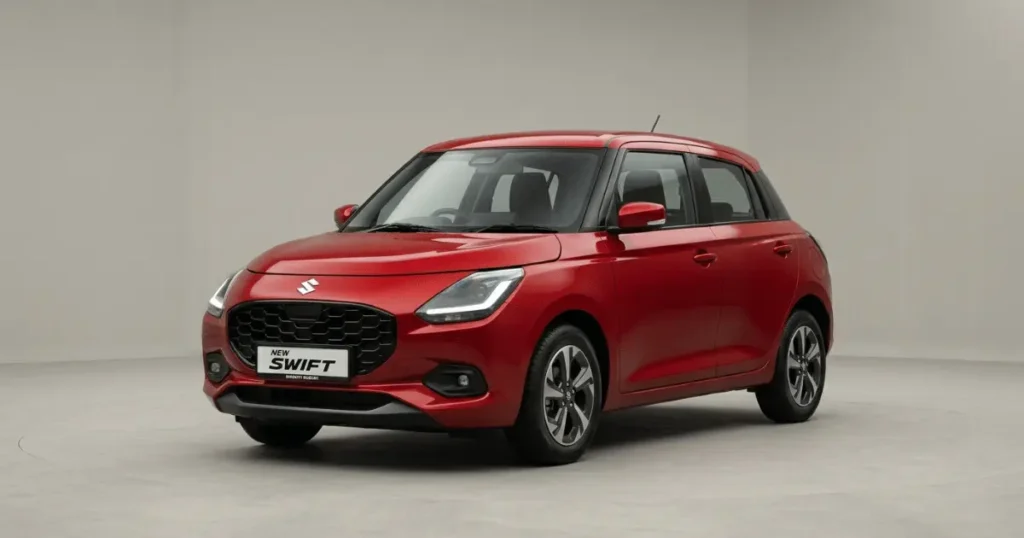
The Maruti Suzuki Swift is one of the most popular hatchbacks in India. It is known for its sporty design, fun driving experience, and fuel efficiency. Along with performance, the Swift also offers low ownership costs, which makes it one of the top 10 low-maintenance cars in India.
Excellent Mileage Reduces Running Cost
The Swift comes with a 1.2-litre petrol engine and also offers a CNG option. Both versions are designed to deliver strong fuel efficiency.
In real-world conditions, the petrol version usually gives around 20–22 km/l. The CNG variant can deliver nearly 32.85 km/kg. Because of this, daily fuel expenses remain low for most owners.
The petrol Swift generally costs around ₹4–4.50 per kilometre to run. The CNG version reduces the running cost to nearly ₹2.7–3 per kilometre. This makes the car highly economical for daily city driving and long commutes.
Lightweight Design Improves Durability
Another reason behind the Swift’s low running cost is its lightweight construction. The refined engine does not put too much stress on mechanical components.
Parts like the clutch, tyres, and brakes usually last longer compared to heavier cars. This reduces wear and tear and helps owners save money on replacements over time.
Affordable Service and Maintenance Cost
The Swift also performs well when it comes to maintenance expenses. Maruti Suzuki has a large service network across India, which helps keep service costs affordable.
The company recommends servicing every 10,000 km or once a year. Routine service mainly includes engine oil changes, filter replacement, and basic inspections.
Most regular services cost around ₹2,500–₹3,500. Major services with additional part replacements may cost between ₹5,000 and ₹6,000.
Low Long-Term Ownership Expense
The Swift remains affordable even after years of usage. Most owners spend around ₹3,000–₹6,000 per year on maintenance.
Over five years, the total service cost usually stays between ₹15,500 and ₹18,000 for normal driving conditions. This makes the Swift one of the most budget-friendly premium hatchbacks in India.
Spare parts are easily available.
One of the biggest advantages of owning a Swift is the easy availability of spare parts. Maruti Suzuki has one of the largest service networks in the country.
Parts are available in almost every city and town. Labour charges also remain affordable. Even local mechanics are familiar with the Swift, which further reduces repair costs.
Tyre and Battery Replacement Costs
Like every car, the Swift also requires periodic replacement of tyres, brake pads, and batteries.
Brake pads usually last around 30,000–50,000 km. The battery may need replacement after 3–4 years and usually costs around ₹3,000–₹4,500.
Tyres generally last around 40,000–50,000 km. A full tyre replacement usually costs between ₹12,000 and ₹18,000. These expenses are still reasonable compared to many other premium hatchbacks.
CNG Variant Offers Better Savings
The CNG version of the Swift is cheaper to run daily. However, it requires slightly more maintenance because of additional CNG components and filter replacements.
Even with these extra checks, the overall ownership cost remains lower for people who drive long distances regularly.
Maruti Suzuki Baleno
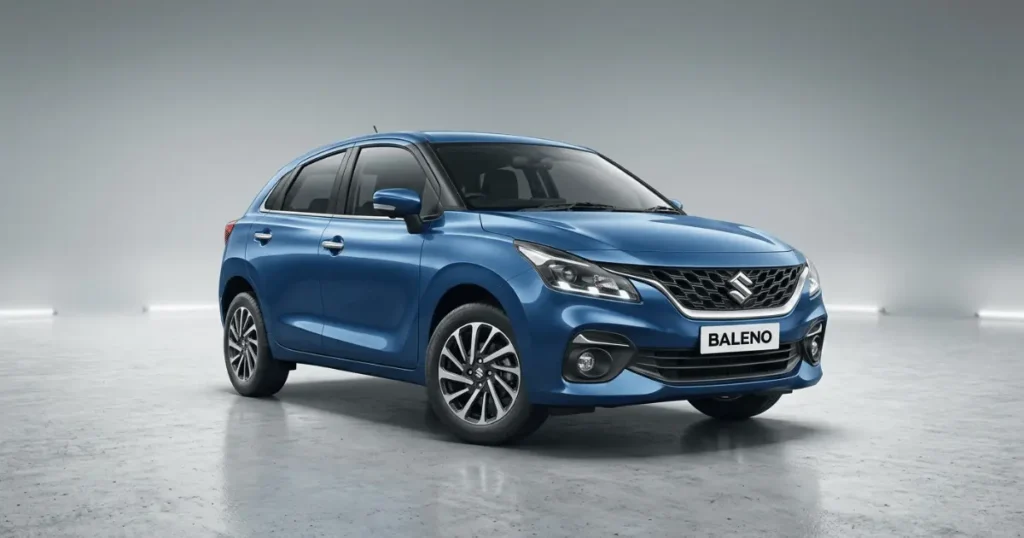
The Maruti Suzuki Baleno is one of the most practical premium hatchbacks in India. It offers a strong mix of comfort, features, fuel efficiency, and affordable ownership cost. Because of this balance, the Baleno is often counted among the top 10 low-maintenance cars in India.
Excellent Mileage Keeps Running Costs Low
The Baleno comes with a 1.2-litre DualJet petrol engine and also offers a CNG option. Both variants focus on smooth performance and fuel efficiency.
In real-world driving conditions, the petrol version usually delivers around 19–22 km/l. The CNG variant can return close to 30 km/kg depending on traffic and driving style.
Because of this efficiency, the running cost remains affordable. The petrol model generally costs around ₹4.5–5.5 per kilometre to run. The CNG variant can reduce this cost to nearly ₹3–3.5 per kilometre. This makes the Baleno a very economical car for daily commuters.
Better Comfort Without High Ownership Cost
The Baleno offers better comfort and refinement than smaller hatchbacks like the Alto or WagonR. However, it still manages to keep ownership expenses under control.
The engine feels smooth even with full passengers inside the cabin. This reduces stress on components like the clutch, brakes, and suspension. As a result, these parts usually last longer when the car is driven properly.
Affordable Maintenance and Service Cost
The Baleno is slightly more expensive to maintain than entry-level Maruti cars, but the overall maintenance cost still remains reasonable.
Maruti recommends servicing the car every 10,000 km or once a year. This regular schedule helps maintain engine performance and reliability.
Routine services generally cost around ₹2,000–₹3,000 during the early years. More detailed services at higher mileage can cost between ₹5,000 and ₹7,500 depending on the parts replaced.
Low Long-Term Ownership Expense
The Baleno remains affordable even after years of ownership. Over five years, the total service cost usually stays around ₹26,000–₹28,000, depending on usage and fuel type.
This means the yearly maintenance cost generally remains between ₹5,000 and ₹7,000. For a premium hatchback, these costs are still very practical.
Spare parts are reasonably priced.
One major reason behind the Baleno’s low maintenance cost is the affordable price of spare parts.
Engine oil usually costs around ₹900–₹1,200. Brake pads generally cost between ₹1,500 and ₹2,200 for the front set. Larger components like the clutch assembly may cost around ₹4,000–₹6,000.
Tyres generally cost around ₹4,500–₹7,500 per tyre depending on the brand. Even with these expenses, the Baleno remains cheaper to maintain than many rivals.
Maruti’s Large Service Network is a Big Advantage.
Another major advantage of owning the Baleno is Maruti Suzuki’s massive service network across India.
The company has thousands of service touchpoints in cities and towns. This wide network helps keep labour charges affordable and ensures quick access to spare parts and repairs.
Even local mechanics are familiar with the Baleno, which further reduces maintenance difficulties.
Battery and Tyre Replacement Cost
Like every car, the Baleno also requires periodic replacement of tyres and batteries.
The battery usually lasts around 3–5 years and may cost between ₹5,000 and ₹7,500 for replacement. Tyres generally need replacement after 40,000–50,000 km, depending on driving conditions.
These are standard ownership expenses, but the Baleno keeps them manageable compared to many premium hatchbacks.
Hyundai grand i10 Nios
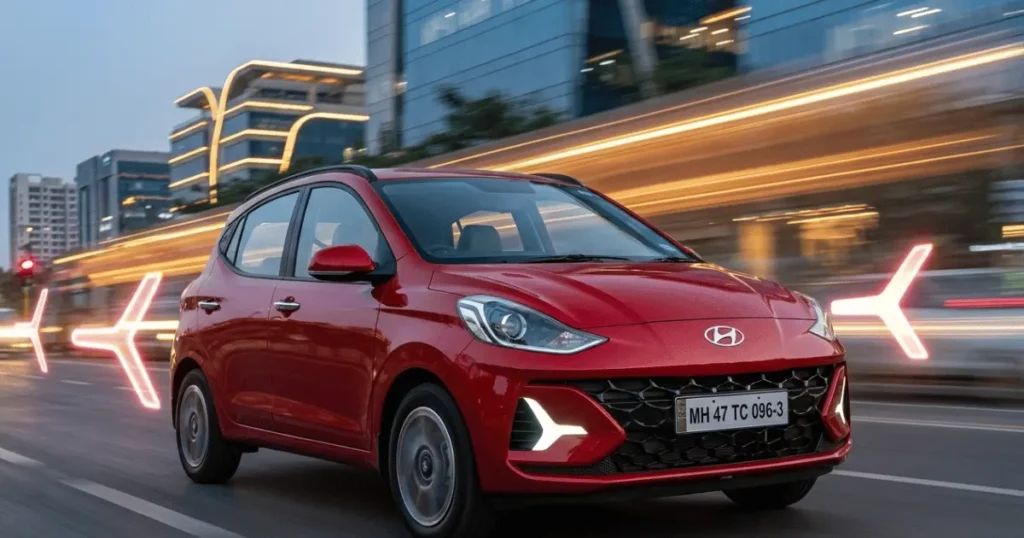
The Hyundai Motor Company Grand i10 Nios is one of the most balanced hatchbacks in India. It offers a premium cabin, refined driving experience, and practical ownership costs. Even though it is slightly more expensive than some entry-level cars, it still deserves a place among the top 10 low-maintenance cars in India.
Fuel Efficiency Keeps Running Costs Affordable
The Grand i10 Nios comes with a 1.2-litre petrol engine and also offers a factory-fitted CNG option.
In real-world driving conditions, the petrol version usually delivers around 18–20 km/l. The CNG variant can achieve nearly 26–28 km/kg depending on traffic and driving habits.
Because of this efficiency, the running cost remains manageable. The petrol model generally costs around ₹4–5 per kilometre to run. The CNG variant reduces this figure to nearly ₹1.5–2 per kilometre, making it highly economical for daily commuting.
Smooth Driving Experience Reduces Wear and Tear
One major advantage of the Grand i10 Nios is its refined driving nature. The engine feels smooth and does not require aggressive driving to deliver good mileage.
The clutch is light, the steering feels smooth, and the suspension handles bumps comfortably. These factors reduce stress on components like tyres, brake pads, and clutch plates. Over time, this helps keep maintenance expenses predictable.
Maintenance Cost Remains Reasonable.
The Grand i10 Nios is slightly more expensive to maintain than comparable Maruti cars, but the overall ownership cost still remains affordable.
Hyundai recommends servicing the car every 10,000 km or once a year. This helps maintain engine reliability and long-term performance.
Over five years, the total maintenance cost generally stays between ₹14,700 and ₹20,000, depending on fuel type and driving conditions. This means yearly maintenance expenses usually remain around ₹4,000–₹7,000.
Routine Service Cost
Routine servicing for the Grand i10 Nios is reasonably priced. Early services are usually free or very low cost.
A standard service generally costs around ₹2,500–₹3,500. More detailed services at higher mileage may cost between ₹5,500 and ₹7,500.
Major services after 50,000–60,000 km can cost around ₹8,000–₹10,000 because they include fluid replacement, spark plugs, and brake-related work.
Spare Parts are Fairly Affordable.
Hyundai keeps most consumable parts reasonably priced. Engine oil generally costs around ₹900–₹1,300, while brake pads usually cost between ₹1,000 and ₹1,600.
Battery replacement may cost around ₹3,500–₹6,000 depending on the brand. Tyres usually cost around ₹4,000–₹6,500 per tyre.
These expenses are still manageable compared to larger cars and premium hatchbacks.
Hyundai’s Premium Service Experience
The ownership experience of the Grand i10 Nios feels slightly more premium than that of many budget hatchbacks.
Hyundai service centres usually provide a better customer experience, but labour charges can be slightly higher than at Maruti Suzuki service centres. Because of this, servicing vehicles may feel a little more expensive than cars like the WagonR or Swift.
However, many buyers feel the improved comfort and refinement justify the extra cost.
Tata Tiago
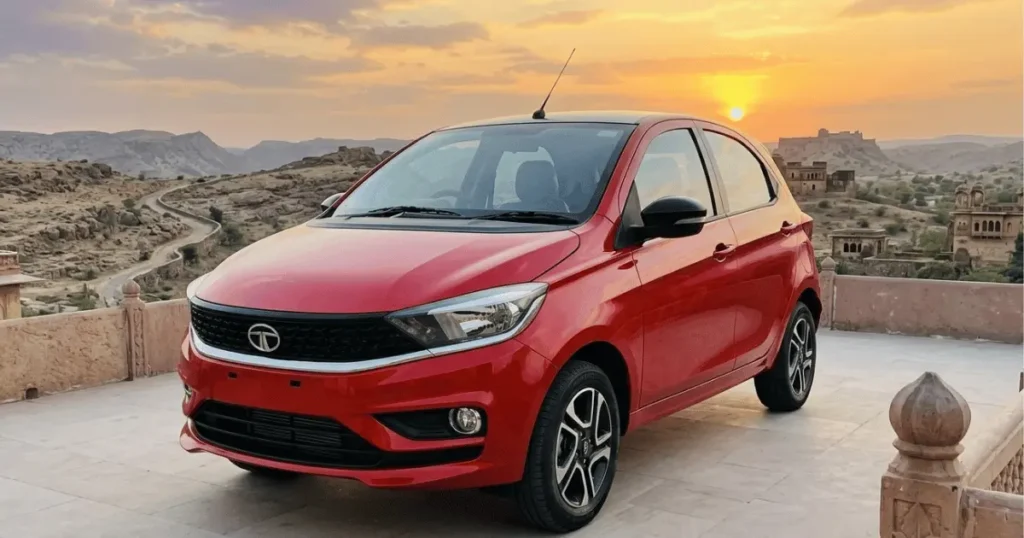
The Tata Motors Tiago has become one of the most popular hatchbacks in India because of its strong build quality, safety, and value-for-money pricing. While it may not be the cheapest hatchback to maintain, it still deserves a place among the Top 10 Low Maintenance Cars in India because it offers a balanced ownership experience.
Fuel efficiency keeps running costs manageable.
The Tata Tiago comes with a 1.2-litre petrol engine and also offers a CNG option.
In real-world driving conditions, the petrol version usually delivers around 17–20 km/l. The CNG variant can achieve nearly 26–28 km/kg depending on traffic and driving style.
Because of this efficiency, the petrol version generally costs around ₹5–6 per kilometre to run. The CNG version reduces the running cost to nearly ₹3–3.5 per kilometre.
Although the Tiago is slightly less fuel-efficient than some Maruti hatchbacks, it still remains economical for daily city commuting.
Strong Build Quality Impacts Efficiency
One reason why the Tiago feels different from many rivals is its solid build quality. The car feels heavier and more stable on highways.
This stronger construction improves safety and driving confidence. However, it also means the engine works slightly harder, which affects mileage slightly compared to lighter cars.
Even then, the balance between safety and ownership cost remains impressive.
Affordable Maintenance Cost
The Tiago continues to remain fairly affordable when it comes to servicing and maintenance.
Tata Motors recommends servicing the car every 10,000–15,000 km or once a year, depending on usage. Regular servicing helps maintain engine performance and reduces long-term repair expenses.
Routine servicing usually costs around ₹3,000–₹5,000. Larger services that include additional replacements can cost around ₹6,000–₹7,500.
Low Long-Term Ownership Expense
Over five years, the total maintenance cost of the Tiago generally stays between ₹20,000 and ₹25,000, depending on usage and fuel type.
This means yearly maintenance costs usually remain around ₹4,000–₹7,000, which is reasonable for a hatchback with strong safety ratings.
During the first year, service costs mainly include oil and filter changes. Later services become slightly more expensive because of brake fluid, spark plugs, and air-filter replacement.
Spare parts are reasonably priced.
Tata Motors has improved spare-part pricing significantly in recent years.
Consumable parts like engine oil, filters, and brake pads remain reasonably affordable. Brake pads usually cost between ₹2,500 and ₹4,000.
Battery replacement generally costs around ₹4,000–₹6,500. A full tyre replacement can cost between ₹16,000 and ₹24,000, depending on tyre brand and size.
These expenses are slightly higher than entry-level hatchbacks but still manageable for most buyers.
Tata’s Service Network Has Improved
Tiago’s service experience has improved a lot in recent years.
Tata Motors has expanded its service network across India, especially in major cities and towns. However, the network is still not as large or consistent as Maruti Suzuki’s service network.
Because of this, labour charges and service quality can sometimes vary depending on location.
CNG Variant Offers Better Savings
The CNG version of the Tiago helps reduce daily running costs significantly.
However, it requires additional maintenance checks for the CNG system, filters, and injectors. These inspections slightly increase servicing complexity.
Even then, the lower fuel cost makes the Tiago CNG a very economical option for people who drive regularly.
Wear-and-Tear Expenses Over Time
As the car ages, some wear-and-tear expenses become unavoidable.
Parts like the clutch, brake pads, and suspension components may need replacement depending on driving style and road conditions.
A clutch replacement can cost around ₹7,000–₹12,000. Brake-related repairs may become necessary after 25,000–40,000 km.
These are normal long-term ownership costs and are not unusually expensive for this segment.
Tata Punch
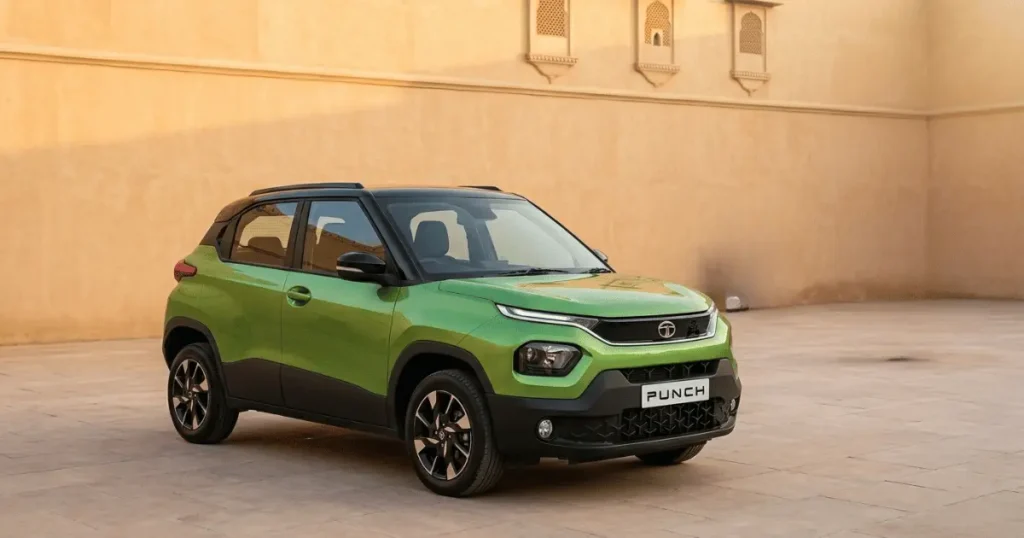
The Tata Punch has become one of the most popular micro-SUVs in India, and a big reason behind its success is its balanced ownership cost. When you spend time with the Punch in real-world conditions, you understand that it is not designed to be the absolute cheapest car to run, but it offers a strong mix of durability, safety, and reasonable expenses. It feels like a tough, SUV-like car that does not punish your wallet over time.When you begin with running cost, fuel efficiency plays a central role. The Punch comes with a 1.2-litre petrol engine and also offers a CNG variant. In real driving conditions, the petrol version usually delivers around 14–16 km/l in the city and up to 18–20 km/l on highways, with an average of about 15–16 km/l in mixed usage. This translates into a running cost of roughly ₹6–7 per kilometre depending on fuel prices and driving style. The CNG variant improves this significantly, bringing the cost down to nearly ₹3–3.5 per kilometre, which makes it a better choice for people who drive frequently.However, the Punch’s running cost is influenced by its build quality. The car feels solid and heavier than most hatchbacks, which improves safety and road presence but slightly affects mileage. This means you may spend a bit more on fuel compared to lighter cars like WagonR or Alto, but in return you get better stability and confidence, especially on rough roads.
When you shift your attention to maintenance cost, the Punch performs quite well for its segment. Tata Motors has kept servicing reasonably affordable, and the car follows a clear maintenance schedule. Typically, the Punch requires servicing every 10,000–15,000 km or once a year. In the initial phase, some services are basic inspections or low-cost visits, while later services include replacement of consumables like engine oil, filters, and brake fluid.In terms of actual numbers, the Punch remains affordable to maintain. Over five years, the total service cost comes to approximately ₹22,000–₹25,000, depending on usage and driving conditions. This means the yearly maintenance cost usually stays around ₹4,000–₹6,000, which is quite reasonable for a compact SUV. If you break it down further, most regular services cost around ₹4,000–₹4,500, while slightly more detailed services can go up to ₹5,500–₹6,000 when additional parts are replaced.The service pattern of the Punch is predictable. For example, engine oil and oil filters are replaced at regular intervals, brake fluid is changed after around 30,000 km, and components like spark plugs, air filters, and coolant are replaced after longer intervals such as 45,000 km. Because of this structured schedule, the car does not surprise you with sudden or unexpected expenses.Another important aspect of ownership cost is spare parts pricing. Tata has improved significantly in this area, and most parts remain reasonably priced. Routine consumables like filters and engine oil are affordable, while slightly bigger expenses like brake pads or clutch components still remain within a manageable range. The availability of parts has also improved across India, which helps in reducing downtime and repair costs.There are also some periodic expenses that every owner needs to consider. Tyres usually last around 40,000–50,000 km, and replacing a full set can cost around ₹16,000–₹20,000. The battery generally lasts 4–5 years and costs around ₹4,000–₹6,000 when replacement is required. These costs are standard but still relatively affordable compared to larger SUVs.
Renault Kwid
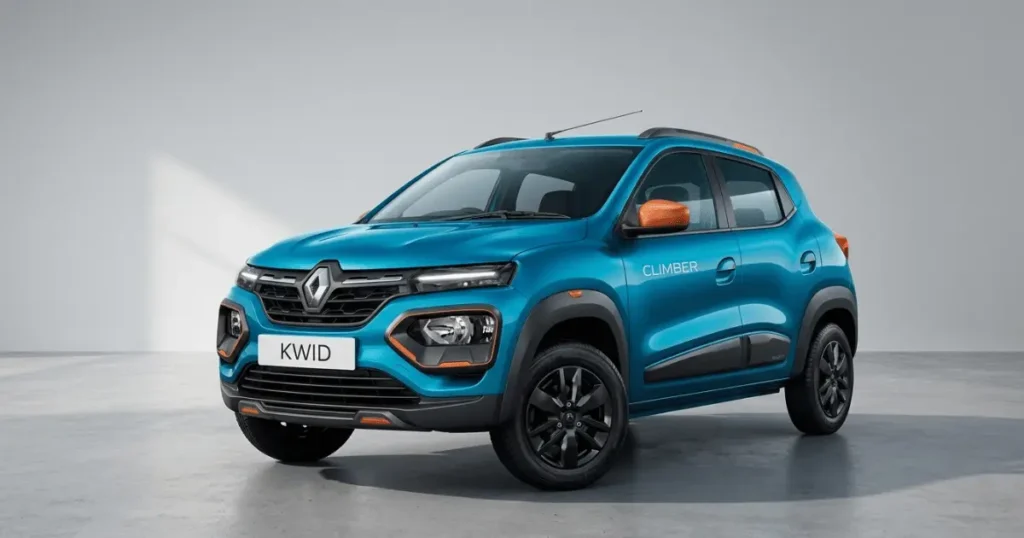
The Renault Kwid is widely known as one of the most affordable cars to buy in India, but its real strength lies in how inexpensive it feels to own over time. When you actually use the Kwid daily, you realise that it has been engineered with simplicity and efficiency in mind, which helps keep both running cost and maintenance cost extremely low. It is a car designed for budget-conscious buyers who want predictable and stress-free ownership.When you begin with running cost, fuel efficiency becomes the biggest advantage of the Kwid. The car comes with a small 0.8-litre and a 1.0-litre petrol engine, both tuned for city usage and high mileage. In real-world conditions, the Kwid easily delivers around 20–22 km/l, and in some cases even more with careful driving. This directly reduces your fuel expense. Based on typical petrol prices, the running cost usually comes to around ₹4–5 per kilometre, which makes it one of the cheapest cars to run in India.The Kwid’s lightweight construction plays a big role here. Because the car is light, the engine does not have to work very hard, especially in city driving. This reduces fuel consumption and also minimises wear and tear on key components like the clutch, brakes, and tyres. Over time, this helps in keeping overall running expenses low and consistent.When you shift your focus to maintenance cost, the Kwid performs exceptionally well, even when compared to other budget hatchbacks. Renault has kept the service structure simple and affordable. The car requires servicing roughly every 10,000 km or once a year, and the first three services are mostly free, which reduces the initial ownership cost significantly.
In terms of actual numbers, the Kwid is one of the cheapest cars to maintain in India. Over five years, the total maintenance cost is approximately ₹10,600–₹11,000. This is extremely low, and when you break it down annually, the cost comes to roughly ₹2,000–₹3,000 per year, which is even lower than many two-wheelers in some cases.If you look at individual service visits, the early services cost very little because labour charges are waived. Later, when paid services begin, the cost usually ranges between ₹4,500 and ₹5,500 depending on the work done and parts replaced. Even the major services, which include replacement of components like spark plugs, filters, and fluids, remain affordable and do not create a financial burden.
Another strong reason behind the Kwid’s low maintenance cost is the pricing of spare parts. Renault has kept most consumables reasonably priced. Engine oil typically costs around ₹850, oil filters about ₹150, air filters around ₹190, and spark plugs roughly ₹360 for a set. These low prices ensure that even routine servicing remains inexpensive.The overall maintenance cost of the Kwid is also reflected in its per kilometre maintenance expense, which comes to around 38 paise per km over five years. This is among the lowest in the Indian car market and shows how economical the car is in long-term ownership.
Nissan Magnite
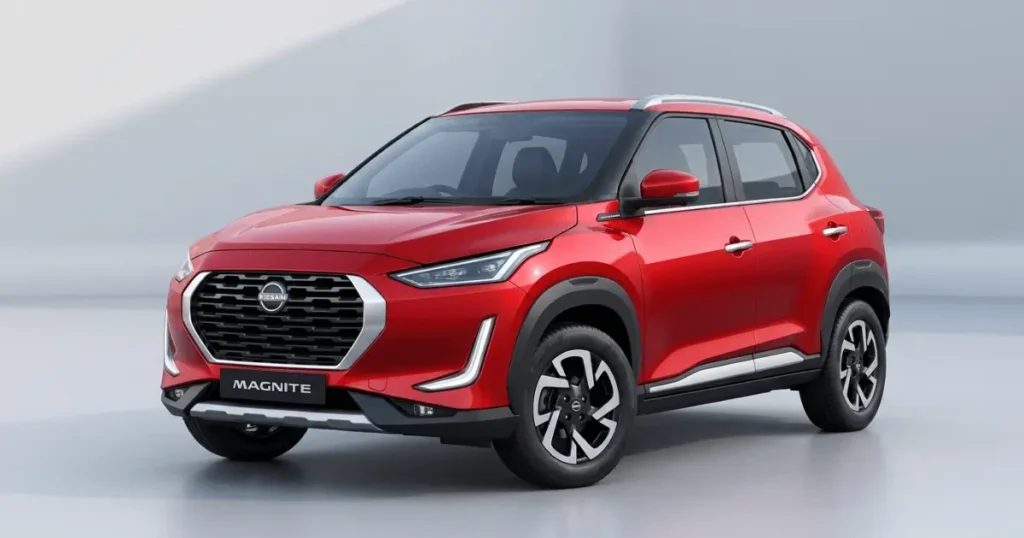
The Nissan Magnite has emerged as one of the most value-for-money compact SUVs in India, and a major part of its appeal lies in its surprisingly low running and maintenance cost. When you spend time with the Magnite in real-world conditions, you realise that it has been designed not only to be affordable to buy but also to remain economical throughout its ownership.When you begin with running cost, fuel efficiency plays a crucial role. The Magnite comes with a 1.0-litre naturally aspirated petrol engine and a more powerful 1.0-litre turbo petrol engine. In real-world driving, both engines deliver strong mileage for a compact SUV. The naturally aspirated version gives around 19–20 km/l, while the turbo petrol version delivers roughly 17–20 km/l depending on driving style and transmission.Because of this efficiency, the running cost stays quite reasonable. In practical terms, the petrol variants cost around ₹4.7–₹5.3 per kilometre depending on the variant and driving conditions. If you opt for the CNG retrofit option available in some variants, the running cost can drop significantly to nearly ₹2.5–₹3 per kilometre, making it extremely economical for daily commuting and high usage.
What makes the Magnite impressive is that it delivers these low running costs despite being a compact SUV. Compared to hatchbacks, it offers higher ground clearance and a bigger body, yet it manages to keep fuel expenses under control. This balance makes it a practical option for buyers who want an SUV feel without high fuel bills.When you move to maintenance costs, the Magnite becomes even more attractive. Nissan has positioned it as a low-maintenance vehicle, and the numbers clearly support this claim. The average maintenance cost is around 39 paise per kilometre, which is among the lowest in the compact SUV segment. This means that even over long-term ownership, servicing expenses remain minimal and predictable.If you look at the service schedule, the Magnite follows a standard pattern of servicing every 10,000 km or once a year. The first three services are usually complimentary, which reduces initial ownership cost. After that, paid services remain affordable. Routine service visits typically cost around ₹4,000–₹5,000, while slightly more detailed services may go up to ₹5,000–₹6,500 depending on parts replaced.
Over a five-year period, the total maintenance cost of the Magnite stays around ₹15,000–₹16,500, which is very low for a compact SUV. This translates into a yearly maintenance cost of roughly ₹3,000–₹4,000, making it cheaper to maintain than many hatchbacks in some cases.Another important factor behind this low maintenance cost is the pricing of spare parts. Nissan has kept most consumables reasonably affordable. Components like engine oil, filters, and brake parts do not cost much, and since the car uses a relatively simple 1.0-litre engine, the complexity remains low. This reduces the chances of expensive repairs and keeps servicing straightforward.The Magnite also benefits from features like a standard 3-year or 1 lakh km warranty, which can be extended up to 6 years. This adds peace of mind because major repair costs remain covered for a longer period. Nissan also offers prepaid maintenance packages, which can further reduce servicing expenses and make ownership more predictable.
Honda Amaze
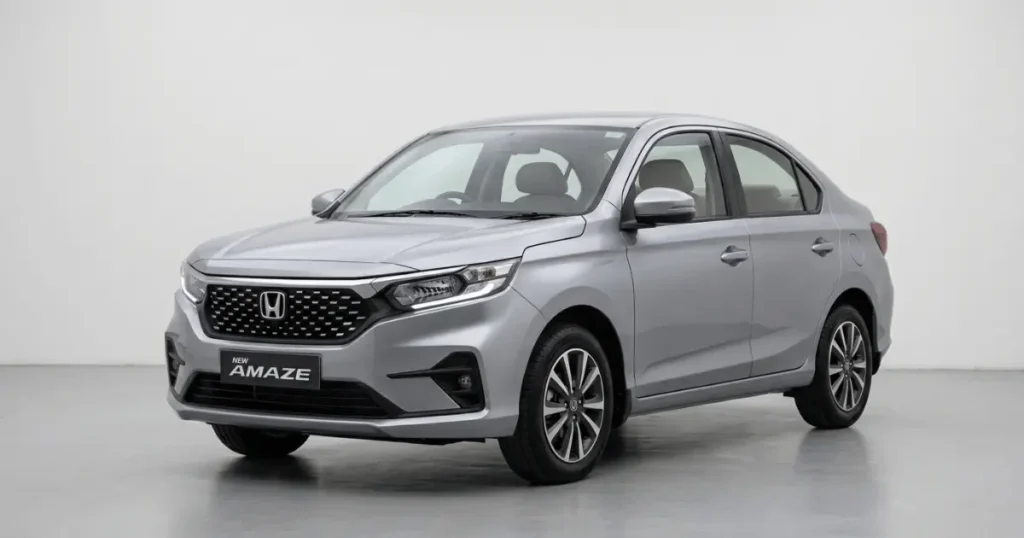
The Honda Amaze has built a strong reputation in India as a practical and reliable compact sedan, but what truly makes it stand out over long-term ownership is its balanced running cost and dependable maintenance profile. When you live with the Amaze every day, you quickly understand that Honda has engineered this car not just for comfort and refinement, but also for predictable and stress-free ownership expenses.When you begin with running cost, the Amaze offers a well-rounded efficiency that suits both city driving and highway use. The car comes with a 1.2-litre i-VTEC petrol engine, which is known for its smoothness and fuel efficiency. In real-world conditions, the Amaze typically delivers around 16–18 km/l in city traffic and 18–20 km/l on highways, depending on driving style and transmission choice. This level of efficiency ensures that fuel expenses remain under control even with daily usage.If you calculate the cost per kilometre based on current petrol prices, the Amaze usually costs around ₹5 to ₹6 per kilometre to run. This may be slightly higher than small hatchbacks, but it remains quite reasonable considering that you are driving a sedan with a larger engine and more space. The CVT automatic variant, while slightly less efficient than the manual, still maintains a respectable balance between comfort and fuel economy.
One of the key reasons behind the Amaze’s consistent running cost is the refinement of its engine. The i-VTEC engine operates smoothly with minimal vibration, which reduces stress on mechanical components. This results in lower wear and tear over time, indirectly helping in keeping both running and maintenance expenses under control.When you shift your focus to maintenance cost, the Honda Amaze offers a reassuring ownership experience. Honda cars are known for their reliability, and the Amaze follows that tradition. The car requires servicing every 10,000 km or once a year, which is a standard interval in this segment. Honda also provides a transparent service schedule, which helps owners plan their expenses in advance.In terms of actual service cost, the Amaze remains reasonably affordable, though it is slightly higher than entry-level hatchbacks. A typical routine service usually costs between ₹4,000 and ₹6,000 depending on the type of service and parts replaced. Minor services, which mainly include oil change and inspection, stay on the lower side, while major services involving replacement of filters, spark plugs, and fluids may cost a bit more.
Over a longer period, the total maintenance cost of the Amaze remains quite manageable. Across five years, the overall service cost generally falls in the range of ₹20,000 to ₹25,000. This translates to an annual maintenance cost of roughly ₹4,000 to ₹5,000, which is very reasonable for a sedan from a premium brand like Honda. The cost per kilometre for maintenance typically stays around 40–50 paise, depending on usage.Another factor that supports the Amaze’s low maintenance burden is the durability of its components. Honda uses high-quality parts that tend to last longer, which means fewer replacements over time. Brake pads, clutch components, and suspension parts usually offer good lifespans if the car is driven sensibly. This reduces the frequency of unexpected expenses and keeps ownership predictable.
Spare parts pricing is also fairly reasonable, although slightly higher than brands like Maruti Suzuki. Basic consumables such as engine oil, filters, and brake components are competitively priced, and they are widely available across Honda’s service network. The widespread presence of Honda service centres in India ensures that servicing is convenient and consistent in quality.The Amaze also benefits from Honda’s strong after-sales support and service transparency. Labour charges are clearly defined, and service advisors typically provide detailed cost estimates before work begins. This helps in building trust and avoids sudden surprises in the service bill.As the car ages, certain standard ownership expenses come into play. Tyres may need replacement after 40,000–50,000 km, costing around ₹18,000–₹25,000 for a full set. The battery generally lasts about 3–4 years and costs approximately ₹4,000–₹6,000 to replace. These costs are normal for a car in this segment and do not significantly increase the overall ownership burden.