
Buying a Best mileage 7-Seater SUV in India. is no longer just about space. Today, it’s about balancing performance, comfort, and most importantly—fuel efficiency. With petrol and diesel prices constantly rising, choosing the SUV can save you a significant amount of money every year.
Toyota Innova Hycross
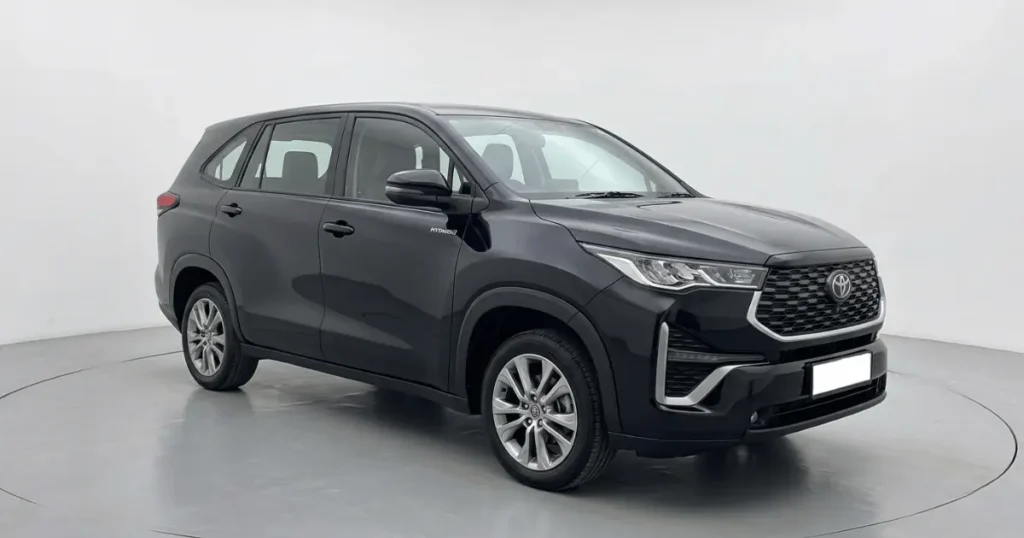
The Toyota Innova Hycross is not just another MPV. it represents a shift from the old diesel Innova to a modern petrol and strong-hybrid family vehicle.
When you evaluate the Best mileage 7-Seater SUV in India. the innova hycross most—fuel efficiency, long-term running cost, and practicality for a big Indian family.
The Innova Hycross comes with two engine options.
a 2.0-litre petrol and a 2.0-litre strong hybrid. On paper, the numbers look very attractive, but real-life driving tells the real story. The petrol version delivers around 16 km/l as claimed.
but in real-world driving, you can expect roughly 13–15 km/l depending on traffic and driving style. If you drive mostly in the city with heavy traffic. the mileage can drop closer to 12–13 km/l.
The hybrid version. where the Hycross really stands out. It offers around 21–23 km/l claimed mileage, and in real conditions, many users experience around 16–20 km/l.
Now if you look at actual running expenses.
the difference becomes very clear. If you drive around 30 km daily, which is quite normal for a family. the petrol variant may cost you around ₹7,000–₹8,000 per month in fuel.
In comparison, the hybrid version can reduce that expense to around ₹4,500–₹5,000 per month. In terms of cost per kilometre, the petrol version usually comes around ₹5.5–₹6 per km depending on fuel prices.
while the hybrid brings this down further, especially with city driving.
Over long-term ownership, especially 5 years or more. the hybrid can save a significant amount of money on fuel. However, you should also consider that the hybrid version has a higher initial price.
so the benefit becomes more visible when your running is high.When it comes to maintenance, the Hycross benefits from Toyota’s strong reputation for reliability.
Since it uses a petrol engine instead of diesel. the maintenance feels smoother and often more predictable.
The hybrid system is also well-tested globally, so it does not create major concerns for long-term ownership.
Toyota’s wide service network across India adds extra peace of mind for families.For family usage, the Innova Hycross feels almost purpose-built.
The moment you step inside, the space and comfort become very noticeable.
The second row, especially in higher variants, offers captain seats that feel extremely comfortable for long journeys.
The third row is also practical for adults. which is something many SUVs fail to offer.The ride quality plays a big role in family comfort, and the Hycross handles this very well.
It absorbs bumps smoothly and keeps passengers relaxed even during long highway trips.
Whether you are using it daily in the city or planning weekend getaways. the overall comfort remains consistent.Inside the cabin.
the car feels modern and premium. Features like a large touchscreen, panoramic sunroof, ventilated seats, and advanced safety systems make the experience more enjoyable for everyone inside.
It does not feel like a basic people mover. instead, it gives a slightly premium, almost luxury feel.
Another important factor is trust. Toyota has built a strong image in India for long-lasting and dependable cars.
Many families use their Innovas for more than a decade without major issues. and that same reliability carries forward in the Hycross.
Kia Carens
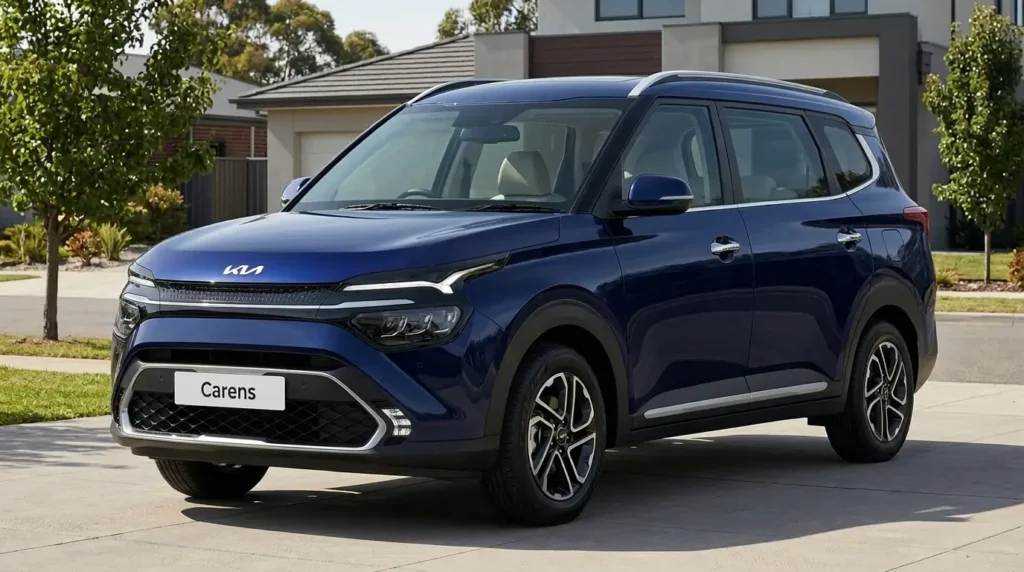
The Kia Carens feels like a car that has been designed keeping Indian families in mind. It sits somewhere between an SUV and an MPV, and that balance is reflected in its mileage, running cost, and overall practicality.
When you actually live with the car. you start understanding how it behaves in real-world conditions rather than just on paper.
The Carens comes with multiple engine options, including petrol, turbo petrol, diesel, and even a CNG option.
On paper the mileage figures look quite impressive. The petrol version offers around 15–16 km/l claimed mileage, while the diesel goes up to around 21 km/l. However, real-world driving tells a slightly different story.
In daily city use, the petrol variants usually return around 12–13 km/l. and in heavy traffic it can drop closer to 10–11 km/l depending on driving style.The diesel version performs much better in terms of efficiency.
In real-life conditions, many users get around 15–18 km/l. especially if they drive on highways regularly. If you choose the CNG variant, running costs become even lower.
but you compromise slightly on boot space and performance.When you convert this mileage into actual expenses. the difference becomes clear.
If you drive around 30–40 km daily, the petrol version may cost you roughly ₹7,000–₹9,000 per month in fuel depending on fuel prices.
The diesel version can reduce that cost to around ₹5,000–₹6,500 per month. because of better efficiency. In terms of per-kilometre cost, petrol comes around ₹6–₹7 per km.
while diesel drops closer to ₹4.5–₹5.5 per km. CNG can go even lower, making it the most economical option for high usage.
Maintenance is one area where the Carens feels reasonable but not as low as Toyota cars’ maintenance. Kia’s service cost is generally moderate. and the brand has improved its service network across India.
The petrol engine keeps maintenancesimple. while the diesel engine may require slightly higher service attention over time. Still, overall ownership does not feel expensive.
especially compared to larger SUVs.When you talk about Best mileage 7-Seater SUV in India. the Carens truly proves its value. The cabin feels spacious the moment you step inside.
It comes in both 6-seater and 7-seater layouts. which makes it flexible for different family sizes. The second row is comfortable, and in captain seat variants. it feels premium.
The third row is also usable for adults. which is a big advantage because many cars in this price range fail to provide a comfortable third row.
The ride quality is tuned more for comfort than sporty driving. On Indian roads, especially broken patches and speed breakers. the suspension absorbs most bumps easily.
Passengers do not feel tired even on long journeys, which makes it a practical choice for highway trips and family outings.Inside the cabin, Kia has focused a lot on features and modern feel.
You get a large touchscreen, digital instrument cluster, ambient lighting, ventilated seats, wireless connectivity, and multiple charging options.
These features make daily use more convenient and enjoyable. especially for families with kids or long travel routines.
Maruti Suzuki Ertiga
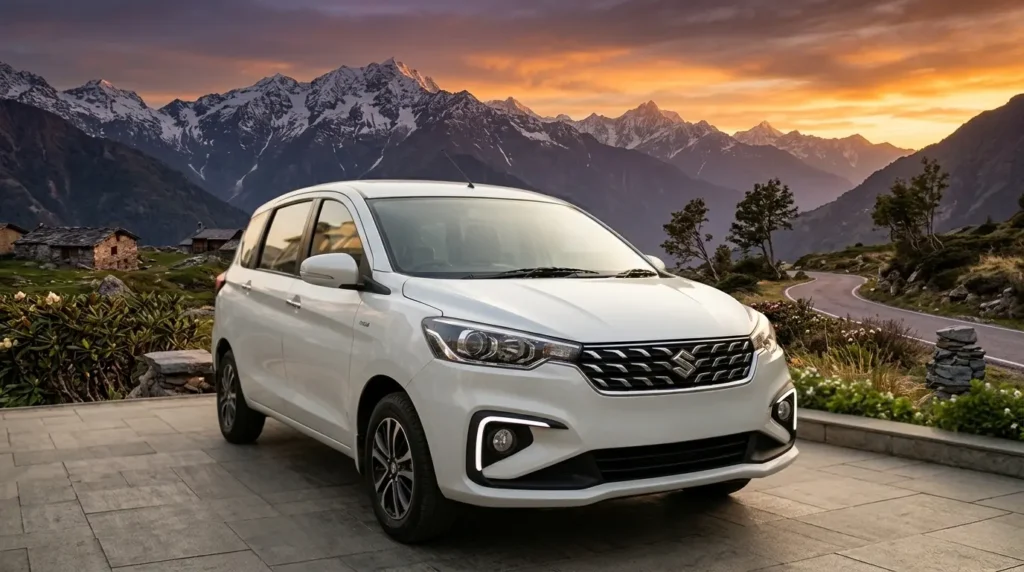
The Maruti Suzuki Ertiga has built its reputation as a Best mileage 7-Seater SUV in India. as a practical It does not try to feel premium or sporty. instead.
it focuses on what most families actually need—good mileage, low running cost, and comfortable seating for seven people.
The Ertiga comes with a 1.5-litre petrol engine along with a factory-fitted CNG option. On paper, the mileage figures are quite strong. The petrol version offers around 20–20.5 km/l claimed mileage.
while the CNG variant goes up to around 26 km/kg. However, real-world driving gives a more practical picture. In city conditions, the petrol version usually delivers around 14–17 km/l depending on traffic and driving style.
while on highways it can go closer to 18–20 km/l.
The CNG variant stands out when it comes to efficiency. Many users report around 20–23 km/kg in real-world usage. which makes it extremely economical for daily driving.
This is one of the biggest reasons why. the Ertiga is very popular among taxi operators and large families.When you convert mileage into actual running cost. the Ertiga becomes even more attractive.
The petrol version costs roughly around ₹4.5–₹5 per kilometre. depending on fuel prices and usage. If you drive around 40–50 km daily. your monthly fuel expense can come close to ₹6,000–₹7,000.
The CNG variant reduces this cost significantly. It can bring the running cost down to nearly ₹2–₹3 per kilometre. which means you can save a large amount every month if your usage is high.
Over a period of 4–5 years, this difference becomes very noticeable and makes the CNG option highly practical for budget-conscious buyers.
Maintenance is one of the strongest points of the Ertiga. Maruti Suzuki has one of the largest service networks in India. and spare parts are easily available and affordable.
The service cost remains predictable and low compared to many other cars in this segment. Over five years. the total service cost stays relatively reasonable, which adds to its low ownership cost.
When it comes to family usage. the Ertiga performs exactly the way most Indian buyers expect. The cabin feels spacious enough for a family of six to seven members.
The second row offers good comfort,. and the third row is usable for adults on short to medium journeys, which is not always the case in many compact SUVs.
The ride quality focuses more on comfort than performance. The suspension handles bad roads quite well, and passengers do not feel too many bumps.
which is important for family comfort. Whether you are driving in the city or going on highway trips, the overall experience remains smooth and relaxed.Inside the cabin.
the Ertiga keeps things simple but practical. It offers features like a touchscreen infotainment system, automatic climate control, rear AC vents, and multiple storage spaces.
It may not feel very premium, but it provides everything that a family needs for daily use.
Renault Triber
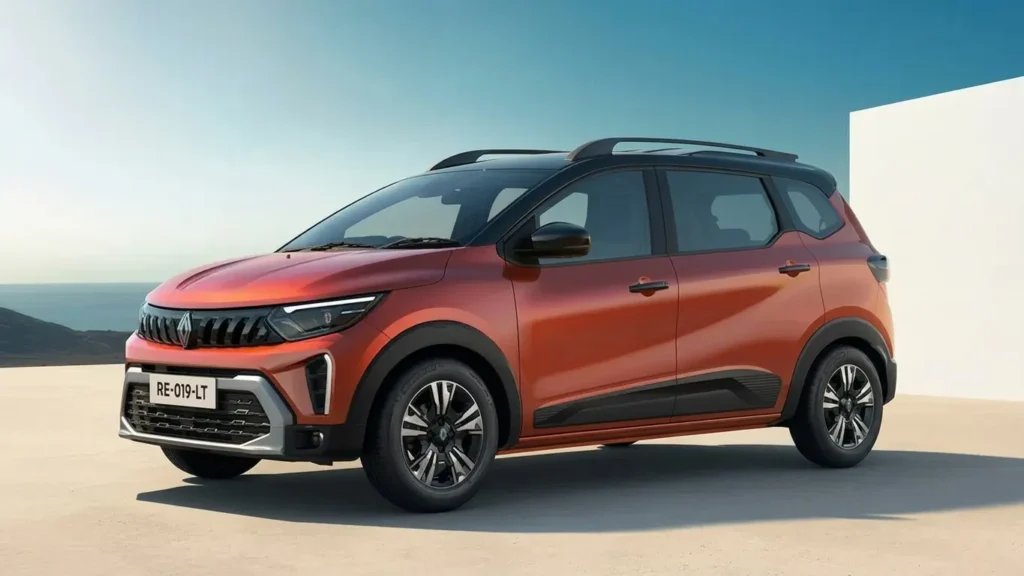
The Renault Triber is one of the most popular Best mileage 7-Seater SUV in India. and it focuses heavily on practicality rather than power or premium feel.
When you look at it from a real-life usage perspective,. it tries to give maximum space and flexibility at a very low cost, which makes it attractive for middle-class families.
The Triber comes with a 1.0-litre petrol engine, and that is the only engine option available. On paper, the mileage looks decent, with claimed figures around 18–20 km/l depending on the variant.
However, when you drive it daily, the real-world numbers are more realistic.
In city conditions, the car usually delivers around 13–15 km/l. and on highways, it can reach around 17–18 km/l.If you consider mixed driving, the average comes close to 14–15 km/l.
which is decent but not exceptional. A proper real-world test also showed an overall average of around 14.7 km/l, which matches what most users experience in daily life.
Now when you convert this mileage into actual running cost, the Triber stays quite affordable.
With petrol prices around ₹100 per litre, the running cost comes to roughly ₹6–₹7 per kilometre depending on how you drive.
If your daily usage is around 30–40 km, your monthly fuel expense will be roughly ₹6,000–₹8,000.One important advantage of the Triber is its overall ownership cost. The car is simple in terms of engine and technology.
which keeps maintenance relatively low.
Service costs are generally reasonable, and spare parts are not very expensive. Over long-term usage, it does not feel like a heavy burden on the pocket.
which is exactly what budget-conscious buyers want.When it comes to family usage.
the Triber stands out because of its clever design. It offers a proper 7-seater layout in a compact size, and the biggest highlight is its modular seating.
You can remove the third-row seats completely when you need more boot space. which adds a lot of flexibility for daily use and travel.
The second row feels comfortable for adults, and the third row is usable, especially for kids or short journeys. For long trips with seven adults, it may feel slightly tight. but for occasional use, it works fine.
This flexibility makes the car very practical for families who sometimes need extra seating but not all the time.
The ride quality is tuned for comfort, especially at city speeds. It handles bad roads and speed breakers reasonably well, which is important for Indian conditions.
However, the engine is not very powerful. When the car is fully loaded with passengers and luggage. you will feel that it struggles a bit, especially on highways or during overtaking.Inside the cabin.
the Triber offers all the basic features needed for a family car, such as a touchscreen infotainment system, steering-mounted controls, rear AC vents, and decent storage spaces.
It does not feel very premium, but it provides good value for the price you pay.
.Safety has also improved over time, with features like multiple airbags and basic safety systems, which adds confidence for family usage.In simple terms.
the Renault Triber is a practical and budget-friendly family car rather than a powerful or premium one. It gives you space, flexibility, and low ownership cost, which are the main priorities for many Indian buyers.