
The compact SUV segment in India has become one of the most competitive categories in the automobile market. Over the last few years,Indian buyers have gradually shifted from hatchbacks and sedans to SUVs. The reason on is simple—SUVs? offer better ground clearance, a commanding driving position, spacious interiors, and strong? road presence.Earlier, buying an SUV required a budget of ₹12–15 lakh or more. However, many manufacturers now offer the best compact SUV in India under 10 lakhs, making them affordable for first-? time buyers and families upgrading from small cars.Leading brands like Tata, Maruti Suzuki, Hyundai, Kia, and Mahindra dominate this segment. Their compact SUVs provide efficient engines, modern infotainment systems, and multiple safety features. features, and respectable fuel efficiency?In this detailed guide, we will explore the top compact SUVs available under ₹10 lakh in India, including their engine specifications, city mileage, highway mileage, variants under ₹10 lakh, and advantages. tages, disadvantages, and? ideal deal buyers.
Tata Nexon
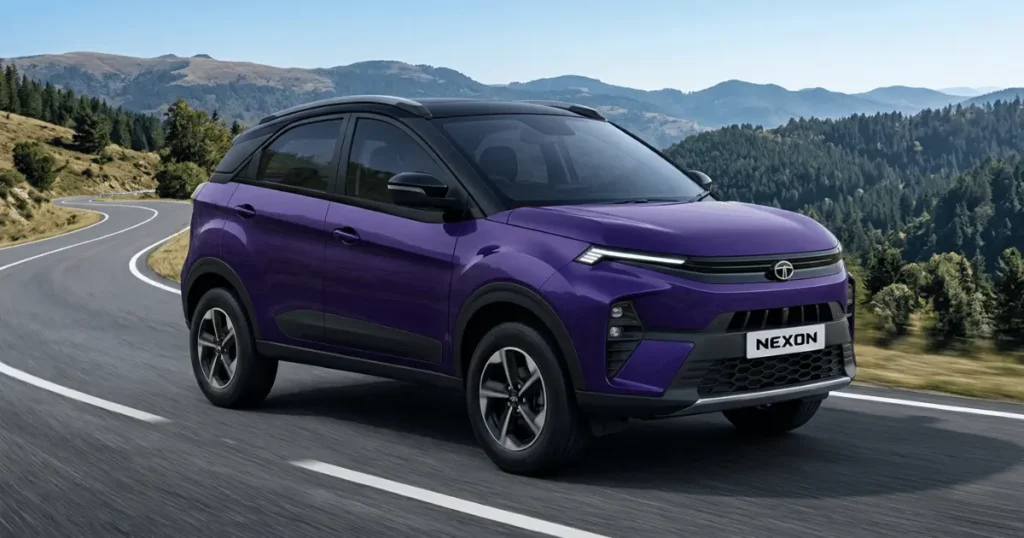
The Tata Nexon stands as one of the most successful compact SUVs in India, and when you experience the car in real life, you immediately understand why. Tata has designed the Nexon in a way that it feels both premium and practical at the same time. It does not just look like an SUV; it actually behaves like one on Indian roads.When you look at the design, the Nexon feels bold and modern. The front gets sharp LED DRLs, a strong grille, and a muscular stance that gives it solid road presence. The rear design with connected LED tail lamps looks very premium, almost like a segment-above SUV. This design appeal makes the Nexon stand out clearly among competitors.Inside the cabin, Tata has improved the quality significantly. The dashboard looks modern with a large 10.25-inch touchscreen and a fully digital instrument cluster. The layout feels clean and driver-focused. You get features like wireless Android Auto and Apple CarPlay, ventilated seats, ambient lighting, and even a panoramic sunroof in higher variants, which gives the car a premium feel.When you sit inside, you feel the space is well managed. Five passengers can sit comfortably, and the seats provide good support for long journeys. The suspension absorbs bad roads very well, which makes the Nexon ideal for Indian conditions. It handles potholes and rough patches without making passengers uncomfortable.Talking about performance, the Nexon offers both petrol and diesel engines. The 1.2L turbo petrol engine produces around 120 HP and feels smooth in city driving while still offering enough power for highway overtakes. The 1.5L diesel engine produces strong torque, which makes it excellent for long-distance driving and heavy usage. You also get multiple transmission options like manual, AMT, and DCT, so you can choose based on your driving style.Mileage is another strong point. The petrol variant gives around 17–18 km/l, while the diesel can easily deliver 20–24 km/l depending on driving conditions. This makes the Nexon a practical option for both city and highway users. The Pure variant is the most sensible and value-for-money option under ₹10 lakh. It gives you the perfect balance between price and features.When you choose the Pure variant, you get important features like a touchscreen infotainment system, rear AC vents, a good audio system, and essential comfort features. At the same time, you still get all the core safety features like 6 airbags and stability control, which is the biggest advantage of Nexon.
The Smart variant feels too basic for most buyers because it misses out on important comfort and infotainment features. On the other hand, the Creative variant becomes slightly expensive and goes beyond ₹10 lakh.That is why the Pure variant stands in the sweet spot. It feels complete for daily use, family driving, and long trips without making you spend extra money unnecessarily.
Maruti Suzuki Brezza
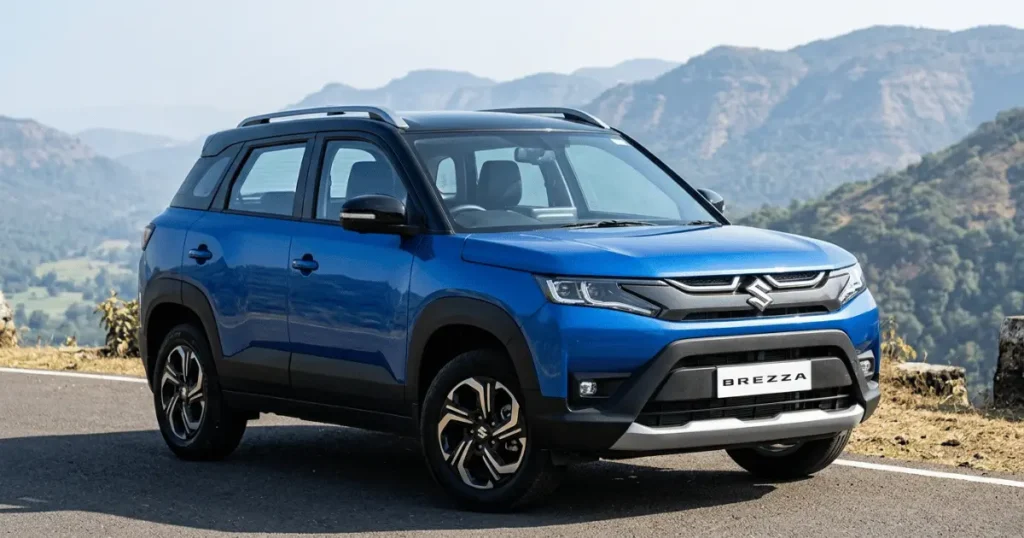
The Maruti Suzuki Brezza has built a strong reputation in the Indian compact SUV segment, and when you spend time with the car, you can clearly feel why it continues to attract so many buyers. Maruti has focused on making the Brezza practical, efficient, and easy to live with, and that approach is reflected in every aspect of the vehicle.When you first look at the Brezza, it gives you a clean and mature SUV design. It does not try to look overly aggressive, but it still carries a strong road presence with its upright stance, bold front grille, and well-proportioned body. The LED headlamps and tail lamps add a modern touch, while the overall design remains simple and appealing to a wide range of buyers.Inside the cabin, the Brezza feels functional and well put together. Maruti has improved the interior quality compared to the older model, and the dashboard now looks more premium with a floating touchscreen infotainment system. The seats feel comfortable, and the cabin offers good space for five passengers. You can easily use this car for daily commuting as well as long journeys without feeling cramped.
The Brezza comes with a 1.5-litre naturally aspirated petrol engine, and this engine focuses more on smoothness and reliability than outright performance. When you drive it in the city, the engine feels refined and predictable. It does not feel aggressive, but it delivers power in a linear manner, which makes driving stress-free, especially in traffic. On highways, the car maintains stability, and you can cruise comfortably at higher speeds.Mileage is one of the strongest points of the Brezza. The petrol variant delivers around 17–20 km/l, and the CNG version offers even better efficiency, which makes it very economical for long-term use. Maruti’s strong service network and low maintenance cost further reduce the ownership burden, which is why many family buyers prefer the Brezza.The ride quality of the Brezza feels balanced. It handles bad roads reasonably well and keeps passengers comfortable. The suspension setup is tuned for Indian conditions, so you do not feel too many bumps inside the cabin. At the same time, the car remains stable while cornering, which adds confidence during highway driving.In terms of safety, Maruti has improved the Brezza significantly. It now comes with 6 airbags, ABS with EBD, electronic stability control, and hill hold assist. While it may not have the same strong build reputation as some Tata cars, it still offers a good level of safety for everyday use. The VXi variant, on the other hand, feels like the right choice in this budget. It adds meaningful features that improve your daily driving experience. You get a touchscreen infotainment system, better interior usability, and more convenience features that make the car feel complete. At the same time, it stays within the ₹10 lakh range, which makes it a practical upgrade over the base model.Because of this balance, the VXi variant stands out as the most sensible option. It does not stretch your budget too much, yet it gives you enough features to enjoy the car fully.
Hyundai Exter
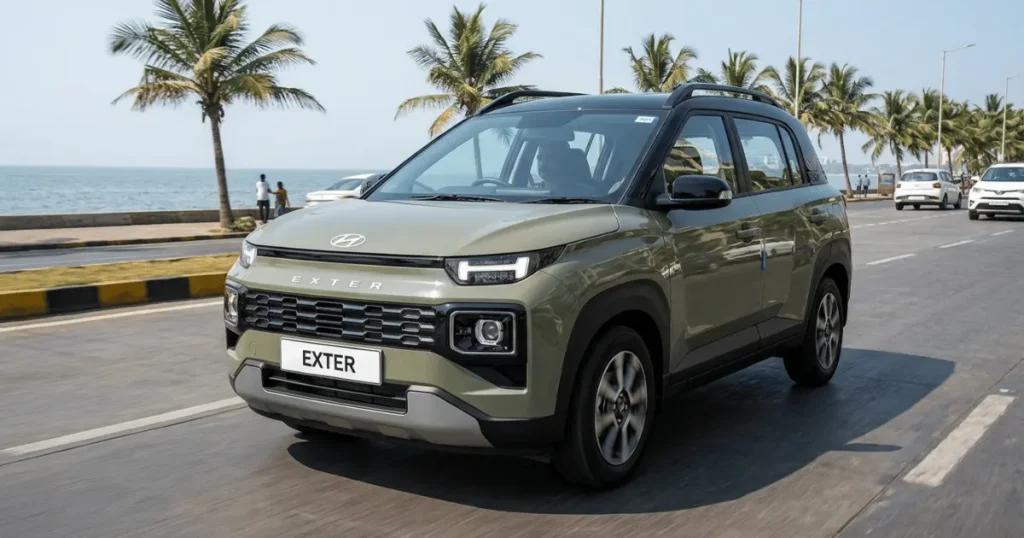
The Hyundai Exter feels like a fresh and modern approach to the entry-level SUV segment in India. When you look at it closely, you realise that Hyundai has not simply made a small car with SUV styling but has carefully designed it to suit city users who want practicality along with premium features.The design of the Exter immediately grabs attention. The H-shaped LED DRLs and squared headlamp setup give it a unique identity on the road. The body looks upright and strong, which creates a proper SUV-like stance despite its compact size. From the side, the flared wheel arches and roof rails enhance its rugged appeal, while the rear gets stylish H-pattern LED tail lamps that make it look modern and distinctive.When you step inside, the Exter feels surprisingly premium for its price. Hyundai has focused heavily on features, and you can clearly see that effort in the cabin. The dashboard looks clean and modern, and the touchscreen infotainment system is responsive and easy to use. Higher variants offer features like wireless Android Auto, Apple CarPlay, a voice-enabled sunroof, wireless charging, and even a built-in dashcam, which is rare in this segment.The seating comfort is good for daily use. The seats feel supportive, and the cabin offers enough space for five passengers. While it is not as wide as bigger SUVs, it still manages space efficiently. For city driving and occasional highway trips, the Exter feels comfortable and practical.Under the hood, the Exter comes with a 1.2-litre naturally aspirated petrol engine. This engine produces around 82 bhp and focuses more on smoothness rather than aggressive performance. When you drive it in traffic, the engine feels refined and easy to control. It does not feel very powerful, but it delivers a stress-free driving experience, which is exactly what most city users need. You also get both manual and AMT options, giving flexibility to different types of drivers.
Mileage is one of the strong points of the Exter. The petrol version delivers around 19 km/l, while the CNG variant offers an impressive 27 km/kg, making it a very economical choice for daily commuting.Hyundai has also taken safety seriously in the Exter. It offers 6 airbags as standard, along with features like electronic stability control, hill start assist, ABS, and a tyre pressure monitoring system. This gives a strong sense of security, especially for family buyers. the SX variant stands out as the most sensible and value-for-money option under ₹10 lakh. It gives you a proper balance of features and price. You get the touchscreen infotainment system, a better interior experience,connected features, and overall a more premium feel without stretching your budget too much.The top SX(O) variant adds more premium features like a sunroof and additional tech, but it goes beyond ₹10 lakh, so it may not fit strict budget buyers.Because of this, the SX variant feels like the sweet spot. It makes the Exter feel complete without making it expensive.
Kia Sonet
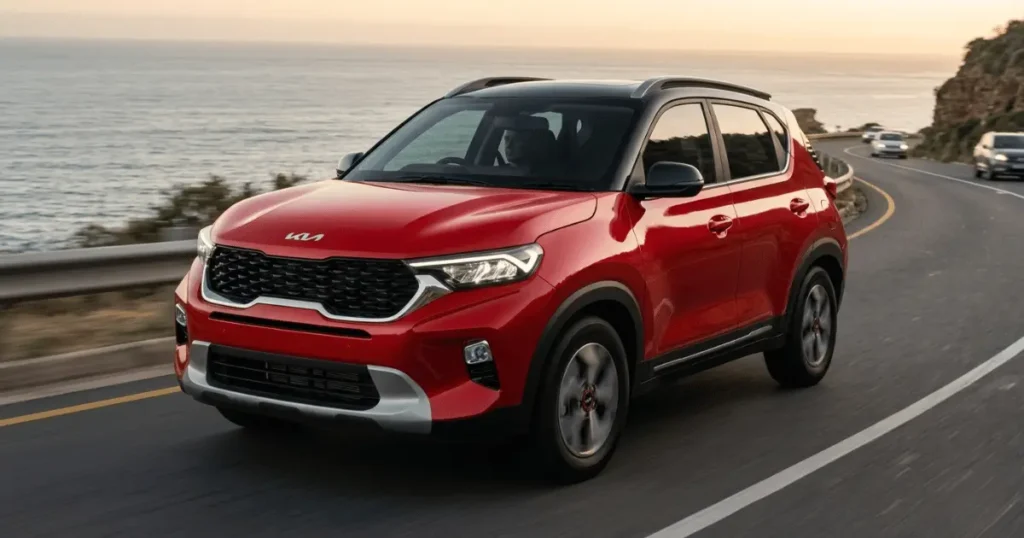
The Kia Sonet feels like one of the most premium compact SUVs you can buy in India today, and when you experience the car closely, you immediately notice how much attention Kia has given to design, features, and driving experience. It does not just aim to be practical; it tries to give you a rich, almost segment-above feel.When you look at the Sonet from the outside, it clearly stands out with its sharp and sporty styling. The front design looks aggressive with signature “star map” LED DRLs and a bold grille. The rear gets connected LED tail lamps, which gives it a very modern and premium appearance. The overall stance feels muscular and youthful, making it especially appealing to younger buyers.Inside the cabin, the Sonet truly shines. Kia has designed the interior to feel luxurious and tech-loaded. The dashboard features a large 10.25-inch touchscreen infotainment system along with a digital instrument cluster in higher variants. The quality of materials feels premium, and the layout looks modern and well-finished. You also get features like ventilated seats, wireless charging, a Bose sound system, ambient lighting, an air purifier, and even ADAS in top variants, which is rare in this segment.
When you sit inside, the seats feel comfortable and supportive, and the driving position gives a commanding view of the road. The cabin space is good for four adults and manageable for five. While rear seat space is slightly tighter compared to some rivals, the overall comfort remains decent for daily use and highway trips.Talking about performance, the Sonet offers multiple engine options, which is one of its biggest strengths. You get a 1.2L petrol engine for basic usage, a 1.0L turbo petrol engine for better performance, and a 1.5L diesel engine for strong torque and efficiency. The turbo petrol produces around 120 PS and feels very lively, while the diesel engine delivers strong pulling power, making it ideal for long drives and highway usage.The driving experience feels refined and smooth. In city traffic, the Sonet remains easy to drive, especially with automatic options like iMT, DCT, and torque converter. On highways, the car feels stable and confident, and overtaking becomes effortless with the turbo and diesel engines.
Mileage depends on the engine choice. The naturally aspirated petrol focuses on smooth driving, the turbo petrol offers performance with moderate efficiency, and the diesel delivers the best fuel economy, making it a practical option for long-distance users.Safety has also improved in the latest Sonet. It now comes with 6 airbags, electronic stability control, hill assist, and even ADAS features like lane-keep assist and forward collision warning in higher variants. This makes the car much safer and more modern than before. The HTK variant stands out as the best choice under ₹10 lakh. It adds important features like a touchscreen infotainment system, steering-mounted controls, better interior usability, and overall a more complete feel. When you drive the HTK variant daily, you do not feel like you are missing out on essential features.Because of this balance, the HTK variant becomes the most practical and value-for-money option in this budget. It gives you the real Sonet experience without pushing your budget too high.
Mahindra XUV 3XO
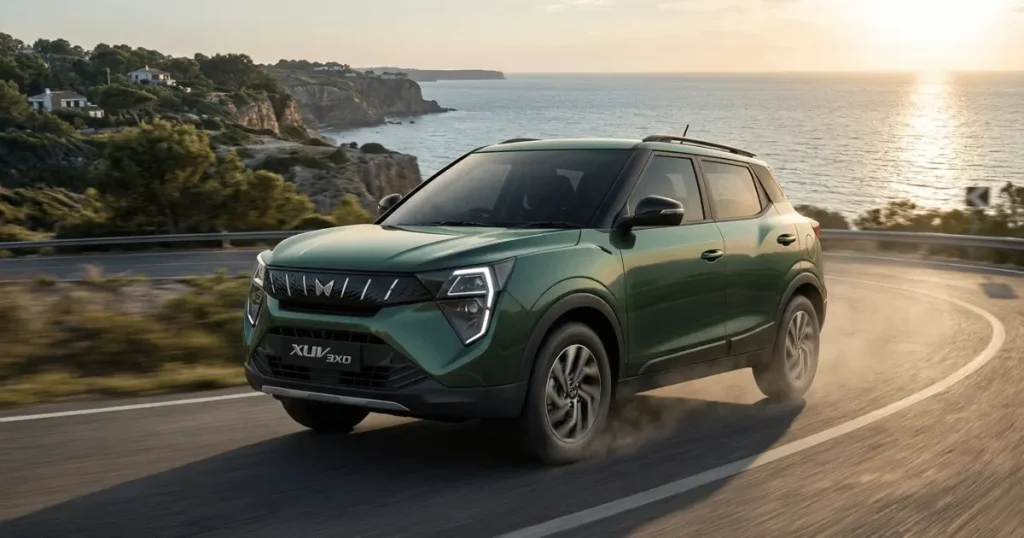
The Mahindra XUV 3XO feels like a bold and modern upgrade in the compact SUV segment, and when you experience the car, you immediately notice how different it feels compared to traditional options. Mahindra has taken the older XUV300 platform and transformed it into something far more premium, powerful, and feature-loaded.When you first look at the XUV 3XO, the design grabs your attention instantly. The front looks aggressive with sharp LED DRLs and a strong grille, while the overall stance feels wide and muscular. The proportions make it look bigger than most compact SUVs, and the connected LED tail lamps at the rear add a modern touch. This design gives the car a strong road presence that easily stands out in traffic.Inside the cabin, the XUV 3XO feels surprisingly premium for its price. Mahindra has completely upgraded the interior with dual 10.25-inch screens, one for infotainment and one for the digital instrument cluster. The layout looks modern and clean, and the quality of materials feels much better than before. Features like dual-zone climate control, wireless charging, a panoramic sunroof, and connected car technology give it a segment-leading feel.When you sit inside, you immediately notice the space advantage. The XUV 3XO has one of the longest wheelbases in its segment, which translates into excellent rear seat space. Three passengers can sit comfortably in the back, and long journeys feel relaxed. The suspension setup absorbs bumps very well, making it suitable for Indian roads and rough conditions.
Performance is where the XUV 3XO truly shines. It offers multiple engine options, including turbo petrol and diesel engines. The turbo petrol engine delivers strongperformance with up to around 130 hp, making it one of the most powerful SUVs in its segment. The diesel engine provides excellent torque, which makes highway driving effortless. Whether you drive in the city or on highways, the car feels responsive and energetic.Mileage remains practical despite the strong performance. The petrol variants deliver around 18–20 km/l, while the diesel can go beyond 20 km/l, making it efficient for daily use as well.Safety is another major strength of the XUV 3XO. Mahindra has equipped it with 6 airbags, electronic stability control, and even advanced features like Level 2 ADAS in higher variants. The car has also achieved a 5-star safety rating, which makes it one of the safest options in this segment. The MX2 variant improves the experience by adding useful features like a touchscreen, steering-mounted controls, and better usability. It starts to feel like a complete car for daily driving.If your budget allows a slight stretch, the MX2 Pro variant becomes the best choice under ₹10 lakh. It offers additional features like a sunroof and a more premium feel, which enhances the overall experience. It gives you the real feel of the XUV 3XO without going into more expensive variants.Because of this balance, the MX2 Pro stands out as the most value-for-money option in this budget range.
renault kiger
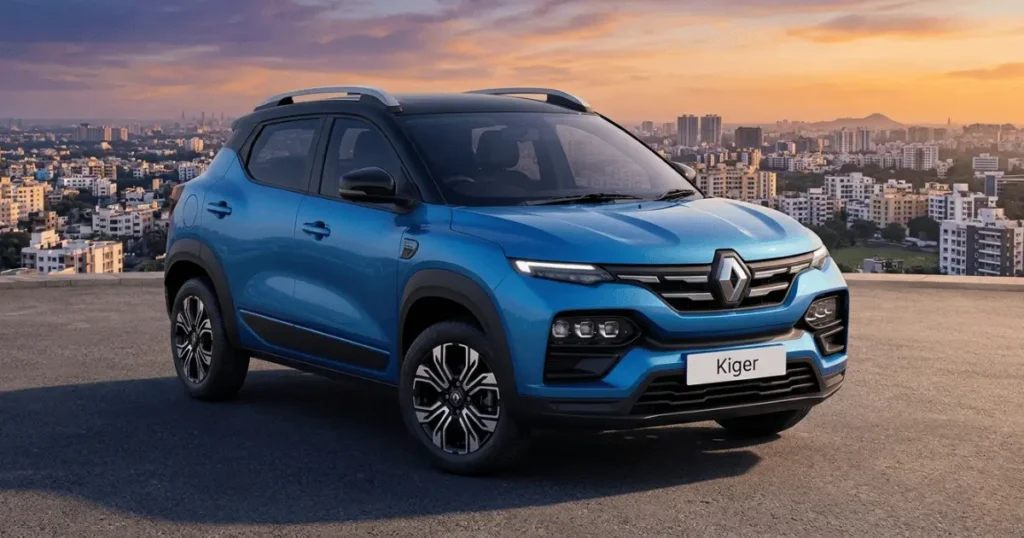
The Renault Kiger feels like one of the most value-focused compact SUVs in India, and when you experience the car, you immediately notice how it tries to offer maximum space, style, and practicality at a very aggressive price. Renault has designed the Kiger especially for Indian buyers who want an SUV feel without spending too much money.When you look at the design, the Kiger stands out with its sporty coupe-like styling. The sloping roofline, sharp body lines, and bold front grille give it a modern and youthful character. Even though it comes at a lower price, it still manages to look stylish and attractive on the road. The high ground clearance of around 205 mm adds to its SUV appeal and makes it suitable for rough Indian roads.Inside the cabin, the Kiger focuses more on practicality than luxury. The dashboard design looks simple but functional, and you get an 8-inch touchscreen infotainment system with wireless connectivity features. The layout feels easy to use, and everything is placed in a driver-friendly manner. While the material quality is not as premium as some rivals, the overall usability remains very good for daily driving.One of the biggest strengths of the Kiger is space. When you sit inside, you feel that the cabin is quite airy and comfortable. The rear seat offers decent legroom, and the car also provides a large boot space of around 405 litres, which is one of the best in this segment. This makes it very practical for family use and long trips.
Talking about performance, the Kiger offers two engine options. The 1.0-litre naturally aspirated petrol engine produces around 71 bhp and suits city driving and budget-focused buyers. The 1.0-litre turbo petrol engine produces around 98–100 bhpand feels much more powerful, especially on highways and during overtaking. You can choose between manual, AMT, and CVT options depending on your driving preference.When you drive the Kiger in the city, it feels light and easy to handle. The steering feels comfortable, and the compact size helps in traffic and parking. On highways, the turbo engine performs better and gives you more confidence while overtaking. However, the naturally aspirated engine may feel slightly underpowered if you drive aggressively.Mileage is another strong point. The Kiger delivers around 19–20 km/l, which makes it an economical choice for daily use.In terms of safety, the Kiger offers features like 6 airbags, ABS, ESP, hill assist, and a 4-star safety rating. This makes it a reasonably safe option in this budget segment.If you look at real user experiences, many owners appreciate the turbo engine performance and value for money. One user mentioned that the turbo variant felt “really fast and smooth” and delivered around 19 km/l in mixed driving, which shows its practicality in real-world conditions.
maruti suzuki fronx
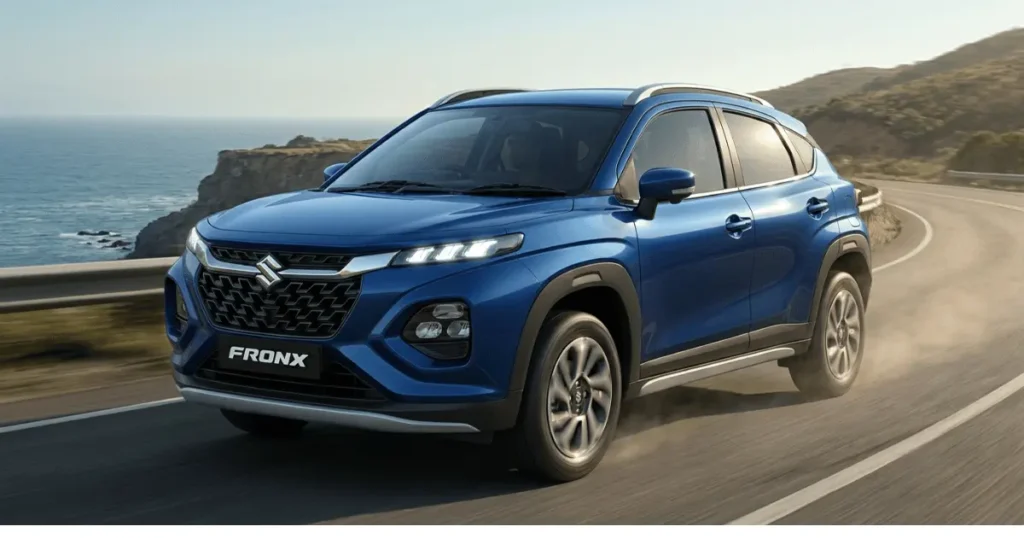
The Maruti Suzuki Fronx feels like a fresh and modern take on the compact SUV segment, especially for buyers who want something stylish yet practical. When you see the Fronx in person, you immediately notice that it does not follow the typical boxy SUV design. Instead, it brings a coupe-like styling, which gives it a sporty and premium appeal that stands out on Indian roads.The design plays a huge role in the Fronx’s popularity. The front looks sharp with sleek LED DRLs and a bold grille, while the sloping roofline gives it a crossover-like character. From the rear, the connected LED tail lamps add a premium touch, making it look like a more expensive car than it actually is. This design makes the Fronx especially appealing to younger buyers who want style along with practicality.When you step inside the cabin, the Fronx feels familiar if you have seen other Maruti cars, but it still manages to deliver a premium experience. The dashboard is clean and well laid out, and the infotainment system is easy to use. The seats feel comfortable, and the cabin offers good space for four adults and manageable space for five passengers. The overall interior quality feels decent, though not as premium as some rivals like Sonet or XUV 3XO.One of the biggest strengths of the Fronx is its engine options. It offers a 1.2-litre naturally aspirated petrol engine and a 1.0-litre turbo petrol engine. The 1.2L engine focuses on smoothness and fuel efficiency, making it perfect for daily city driving. The turbo engine, on the other hand, delivers around 100 PS power and feels much more energetic, especially during highway driving and overtaking.
When you drive the Fronx in the city, it feels light and very easy to handle. The steering is smooth, and the compact size helps in traffic and parking. On highways, the carremains stable, and the long wheelbase improves overall comfort and stability at higher speeds.Mileage is one of the strongest highlights of the Fronx. The petrol variants deliver around 20–22 km/l, and the CNG version offers even higher efficiency, which makes it very economical for long-term use.In terms of safety, the Fronx offers 6 airbags, ABS, ESP, hill assist, and other essential features. While its crash test rating is not as established as some rivals, it still covers all the important safety requirements for daily driving.The ride quality feels comfortable for city roads, and the suspension handles bumps quite well. However, at very high speeds, it may not feel as planted as some heavier SUVs like Nexon. Still, for everyday usage, it provides a very balanced and comfortable driving experience. The Fronx comes in variants like Sigma, Delta, Delta+, Zeta, and Alpha.The base Sigma variant feels too basic and misses out on important features like touchscreen infotainment and modern convenience elements. It may suit only very budget-focused buyers.The Delta variant improves the experience and adds essential features, but it still feels slightly incomplete.The Delta+ variant stands out as the best choice under ₹10 lakh. It gives you a good balance of features like a touchscreen system, better interior usability, and overall a more complete feel. It makes the car enjoyable for daily use without pushing the budget too much.The higher Zeta and Alpha variants offer more premium features, but they go beyond ₹10 lakh, so they may not fit strict budget buyers.Because of this balance, the Delta+ variant becomes the most value-for-money option in this price range.
nissan magnite
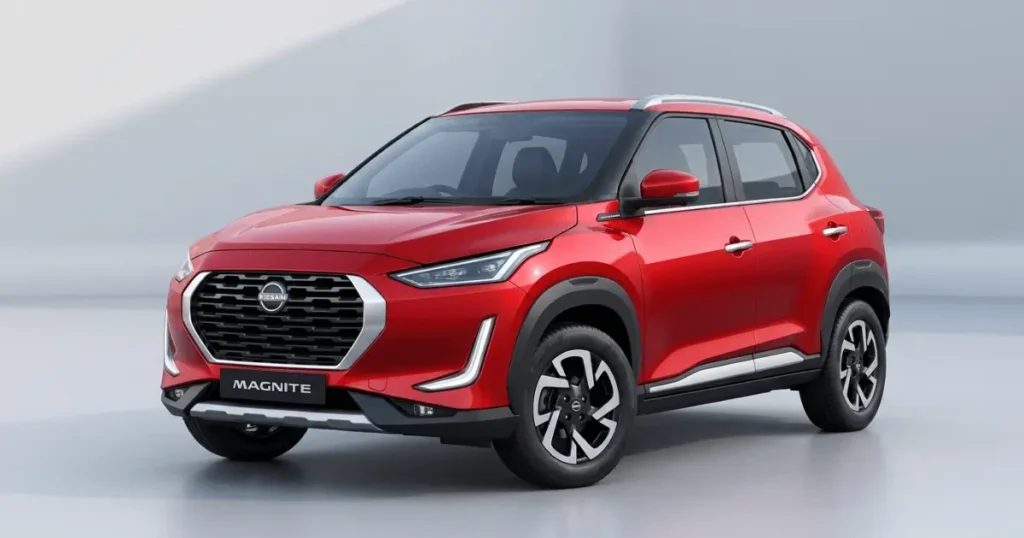
The Nissan Magnite feels like one of the most aggressive value-for-money compact SUVs in India, and when you experience the car, you immediately understand how Nissan has managed to offer so much at such an affordable price. It does not try to be the most premium or the most powerful SUV, but it focuses strongly on delivering features, space, and practicality at a budget-friendly cost.When you look at the Magnite, the design stands out clearly in this segment. The front grille looks bold and large, giving the car a strong SUV presence. The LED DRLs and sleek headlamp setup add a modern touch, while the overall stance feels wide and planted. Despite being a sub-4-metre SUV, it does not look small on the road. The 205 mm ground clearance further enhances its SUV capability, making it suitable for rough Indian roads.Inside the cabin, the Magnite focuses more on practicality and smart packaging. The dashboard looks simple but modern, and you get an 8-inch touchscreen infotainment system along with a digital instrument cluster in higher variants. The layout feels user-friendly, and everything is easy to operate. While the material quality may not feel as premium as rivals like Sonet or XUV 3XO, the overall usability remains strong for daily driving.One of the biggest strengths of the Magnite is its space. When you sit inside, you notice that the cabin feels airy and comfortable. The rear seat offers good legroom, and the 336-litre boot space makes it very practical for family use and long trips.
Under the hood, the Magnite offers a 1.0-litre petrol engine in two versions. The naturally aspirated engine produces around 71 bhp, which suits relaxed city driving. The turbo petrol engine, on the other hand, produces close to 100 bhp and feels much more responsive, especially on highways. You can choose between manual, AMT, and CVT transmissions depending on your driving preference.When you drive the Magnite in the city, it feels light and easy to handle. The steering is smooth, and the compact size makes parking simple. On highways, the turbo variant performs better and gives you more confidence during overtakes. The ride quality feels comfortable over bumps, and the suspension handles rough roads quite well.Mileage is another strong advantage. The naturally aspirated engine delivers around 19–20 km/l, while the turbo engine offers slightly lower but still efficient mileage, making it a cost-effective car for daily use.In terms of safety, the Magnite offers features like 6 airbags, ABS, ESP, traction control, and a strong safety structure. It has achieved a 5-star rating for adult protection in global crash tests, which makes it one of the safer options in this price segment.If you look at real user experiences, many owners appreciate its value and practicality. One owner shared that the car delivers “16–20 km/l in the city and 24–26 km/l on highways” and feels comfortable for long drives, showing its real-world usability.