
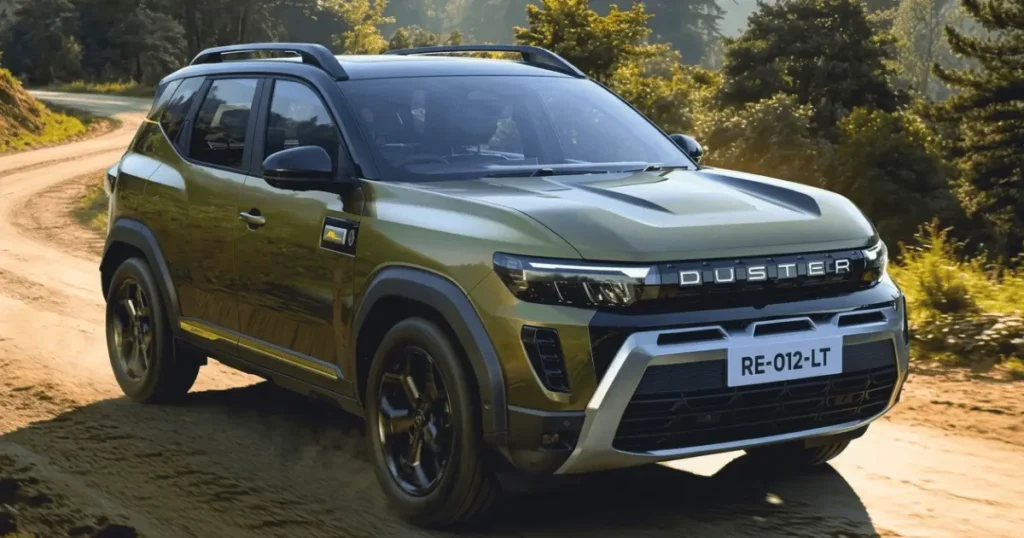
The new Renault Duster marks the comeback of one of India’s most iconic SUVs, now reimagined with a completely new design, platform, and modern technology. Built on the advanced CMF-B architecture, the latest Duster combines its original rugged DNA with a more premium and feature-rich approach, making it relevant for today’s competitive SUV market.
Unlike the older model, the new Duster moves towards turbo-petrol and hybrid powertrains, reflecting the shift toward efficiency and electrification, while still maintaining its strong road presence and practical appeal.
Overall, the new Renault Duster aims to deliver a perfect balance of tough SUV capability, modern features, and improved performance, making it one of the most anticipated upcoming SUVs in India.
Front Design: Bold, Aggressive, and powerful
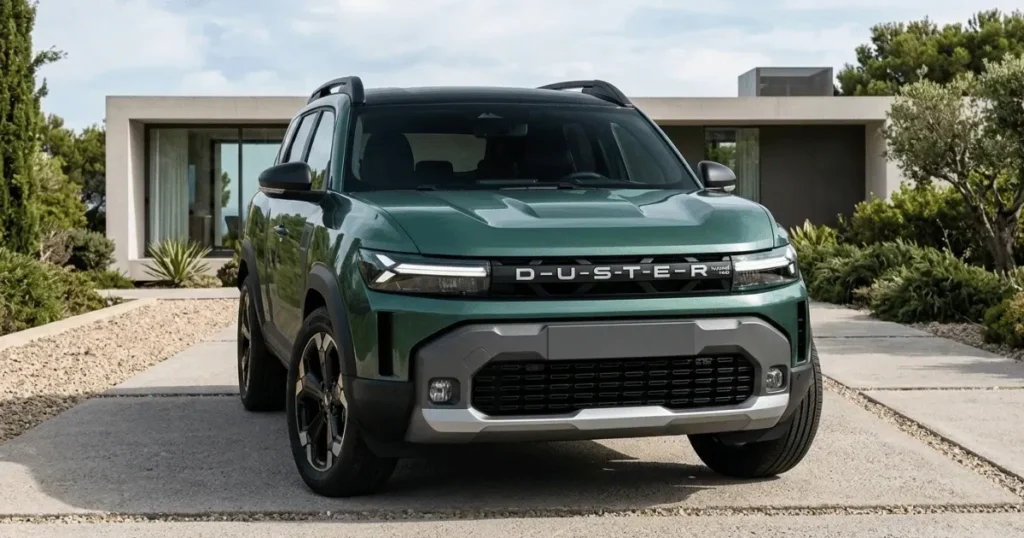
The front of the new Duster immediately gives a strong road presence. It carries a wide grille with a bold design, now featuring Renault branding instead of the earlier simple styling. The grille looks more structured and modern but still maintains a rugged appeal.
The headlamps are sharp and sleek, and they integrate seamlessly with the signature Y-shaped LED DRLs, which have become the highlight of the new design. These DRLs not only improve visibility but also give the SUV a distinct identity on the road.
The bonnet is heavily sculpted with strong lines, which adds to the muscular appearance. The bumper is not overly stylish—it looks solid and functional, with a large air intake and skid plate elements that enhance the SUV character. This is a design that looks ready for rough terrain, not just city driving.
Side Profile: Strong Proportions and SUV Stance
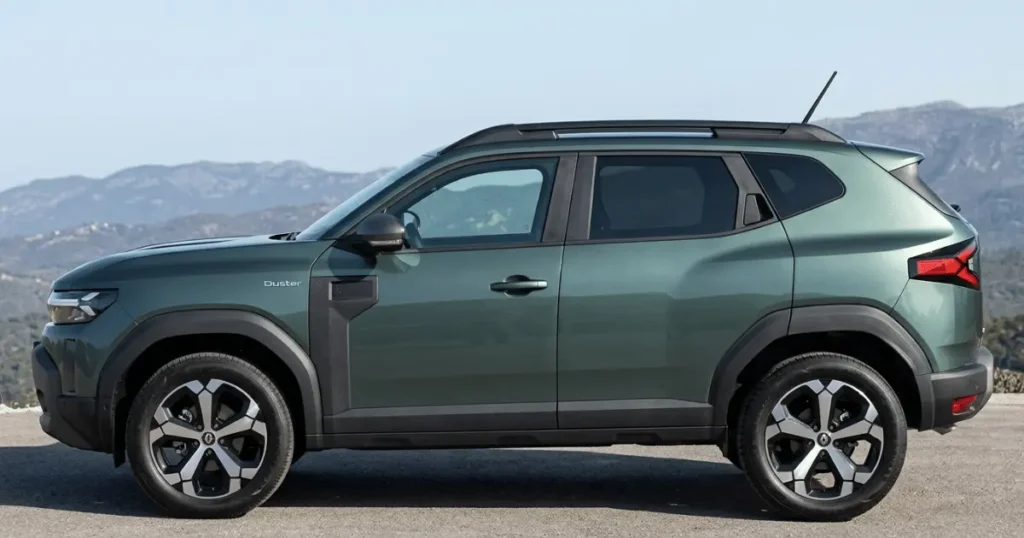
From the side, the new Duster maintains its classic silhouette but adds more definition and strength. The overall shape remains boxy, which is important because it preserves the SUV identity that made the Duster famous.
The most noticeable elements are the squared wheel arches with thick cladding, which give the SUV a tough and durable look. This is not just for styling—these elements protect the body in rough conditions.
The shoulder lines are sharper, and the window line now slightly rises towards the rear, adding a sporty touch without compromising practicality. The presence of functional roof rails further enhances its adventure-ready appeal.
The alloy wheels, ranging from 17 to 18 inches, are designed to look rugged rather than flashy. They complement the overall stance of the car, which feels planted and confident.
Rear Design: Clean Yet Strong Identity
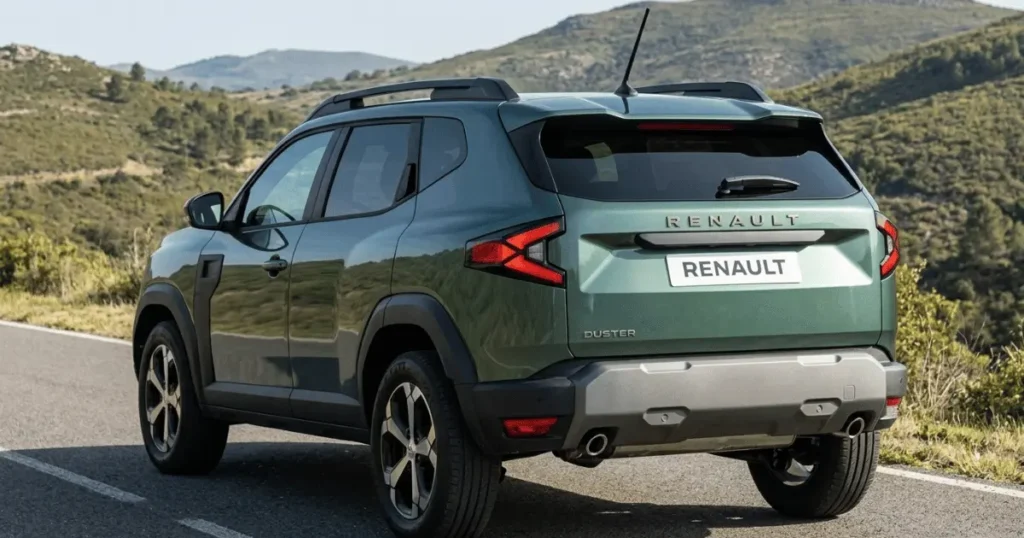
The rear design of the new Duster continues the same design language but in a slightly more subtle way. The highlight here is again the Y-shaped LED tail lamps, which mirror the front DRL signature and create a consistent visual identity.
The tailgate design is simple and clean, avoiding unnecessary complexity. This simplicity actually works in its favour because it keeps the rugged theme intact.
The bumper is thick and chunky, with skid plate elements that add to the SUV’s off-road-ready appearance. The wide stance at the rear gives the car a stable and planted look, especially when viewed from a distance.
1.0-Litre turbo Petrol Engine
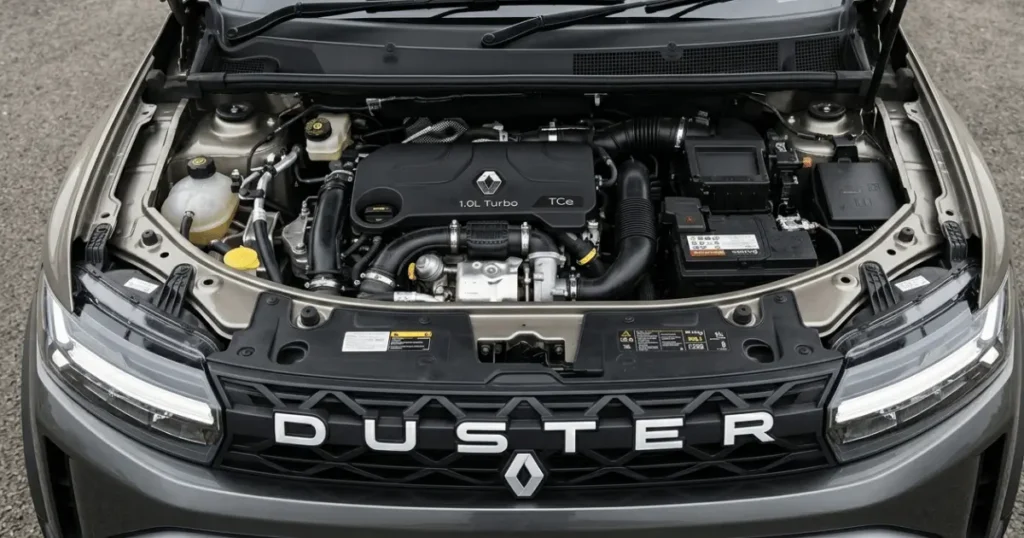
The 1.0-litre turbo petrol engine in the new-generation Renault Duster represents Renault’s approach toward affordability and efficiency in global markets. While it may not be the most powerful engine in the lineup, it plays a very important role in making the Duster more accessible and economical to run, especially for buyers who prioritize low running costs over outright performance.
Renault uses a 999cc, three-cylinder turbocharged petrol engine, commonly known as the TCe 100. This engine produces around 100 PS of power and 160 Nm of torque when running on petrol. These figures may look modest on paper, but the presence of a turbocharger helps the engine deliver usable torque at lower RPMs, which improves drivability in city conditions. The engine feels responsive at low speeds, and it does not require frequent gear changes in urban traffic.
In terms of transmission, Renault pairs this engine with a 6-speed manual gearbox. The gearbox feels light and easy to use, which suits city driving very well. The gear ratios are tuned to extract the best balance between performance and fuel efficiency. At lower speeds, the shorter gear ratios help the engine feel more lively, while at highway speeds, the higher gears keep the engine relaxed and efficient.
Renault does not offer an automatic transmission with this engine in most markets, mainly because this engine targets budget-conscious buyers who prefer a simpler and more cost-effective setup. The manual gearbox also helps maintain better fuel efficiency and lower maintenance costs.
When you drive the Duster with this engine, you will notice that it is best suited for city usage and light highway runs. The turbocharger ensures that the engine does not feel completely underpowered, but when you push the car at higher speeds or carry full loads, the performance feels limited compared to larger engines like the 1.3-litre turbo petrol.
From a refinement perspective, being a three-cylinder engine, it does produce slight vibrations, especially during idle or hard acceleration. However, Renault has worked on improving insulation and engine tuning, so the overall experience remains acceptable for this segment.
Fuel efficiency is one of the strongest highlights of this engine. On petrol, it delivers impressive mileage, and when you switch to LPG, the cost per kilometre drops even further, making it one of the most economical options in the Duster lineup.
However, for the Indian market, this engine may not be the primary choice. Indian buyers in the mid-size SUV segment usually expect stronger performance, which is why Renault is more likely to focus on the 1.2-litre turbo mild hybrid and 1.3-litre turbo petrol engines.
Overall, the 1.0-litre turbo petrol engine in the new Renault Duster is a practical, cost-effective, and efficient option. It suits buyers who want a reliable SUV for daily commuting with low running costs, but it may not satisfy those who expect strong performance or enthusiastic driving.
1.3-Litre Turbo Petrol Engine
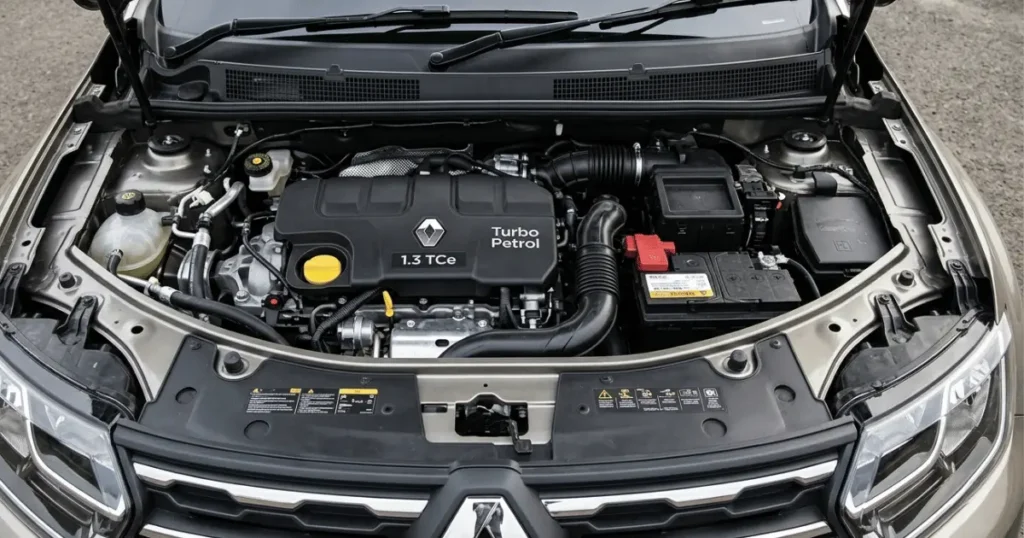
The 1.3-litre turbo petrol engine is the most important and performance-focused engine in the new-generation Renault Duster lineup. This engine carries forward Renault’s strong reputation for delivering powerful and refined petrol performance, and it plays a crucial role in replacing the old diesel engines that earlier defined the Duster’s identity.
This engine is a 1330cc, four-cylinder turbocharged petrol unit, and unlike smaller engines, it offers a perfect combination of strong power, high torque, and smooth refinement. In its earlier version, this engine produces around 156 PS of power at 5500 rpm and 254 Nm of torque at just 1600 rpm, which makes it extremely responsive even at low speeds.
In the new-generation Duster, Renault is expected to further enhance this engine with updated tuning and even a mild-hybrid assist in some variants. With these updates, the output can go up to around 160–163 PS and up to 280 Nm torque, making it one of the most powerful engines in the mid-size SUV segment.
What makes this engine truly special is how it delivers torque. The peak torque comes very early, starting from around 1600 rpm, which means the car feels quick and responsive even without aggressive acceleration. In real-world driving, you will notice that overtaking becomes effortless, and the engine does not require frequent downshifts.
The engine uses modern technologies like turbocharging, direct fuel injection, and variable valve timing, which help it achieve both strong performance and reasonable fuel efficiency. This is also the reason why Renault positions this engine as a perfect replacement for diesel, because it offers similar torque characteristics without the complexity of diesel maintenance.
When it comes to transmission options, Renault offers this engine with both manual and automatic gearboxes, giving buyers flexibility based on their driving style. The 6-speed manual transmission suits enthusiasts who prefer full control over gear shifts. It feels engaging to drive, especially on highways, where the engine’s strong mid-range performance becomes very enjoyable.
For buyers who want convenience, Renault provides an automatic option in the form of a CVT in the previous version and a more advanced 6-speed dual-clutch transmission (DCT) in the new generation. The DCT gearbox delivers quicker gear shifts and improves acceleration, making the driving experience more responsive and premium.
In terms of fuel efficiency, despite being a powerful turbo petrol engine, it still manages to deliver decent mileage. The earlier version offered around 16–17 km/l, and the newer version with improved tuning and transmission can go up to around 17.75 km/l (manual) and 18.45 km/l (automatic) under standard testing conditions.
On the road, this engine completely changes the character of the Duster. It feels quick, refined, and confident at high speeds. Whether you are driving in the city or cruising on highways, the engine delivers smooth and linear power without feeling stressed. Even with a full load of passengers, it maintains strong performance, which is something smaller engines struggle to achieve.
Another important advantage of this engine is refinement. Being a four-cylinder unit, it is much smoother compared to three-cylinder engines like the 1.0-litre turbo. You will notice less vibration, quieter operation, and a more premium driving experience overall.
In the context of the Indian market, this engine is expected to become the most preferred choice because it offers the right mix of power, practicality, and driving pleasure. Buyers who earlier preferred diesel engines for torque and highway performance will find this engine equally satisfying.
Overall, the 1.3-litre turbo petrol engine defines the new Renault Duster’s performance identity. It delivers strong power figures, excellent torque, multiple transmission options, and a refined driving experience, making it the ideal engine for buyers who want a powerful, modern, and fun-to-drive SUV.
renault Duster Platform
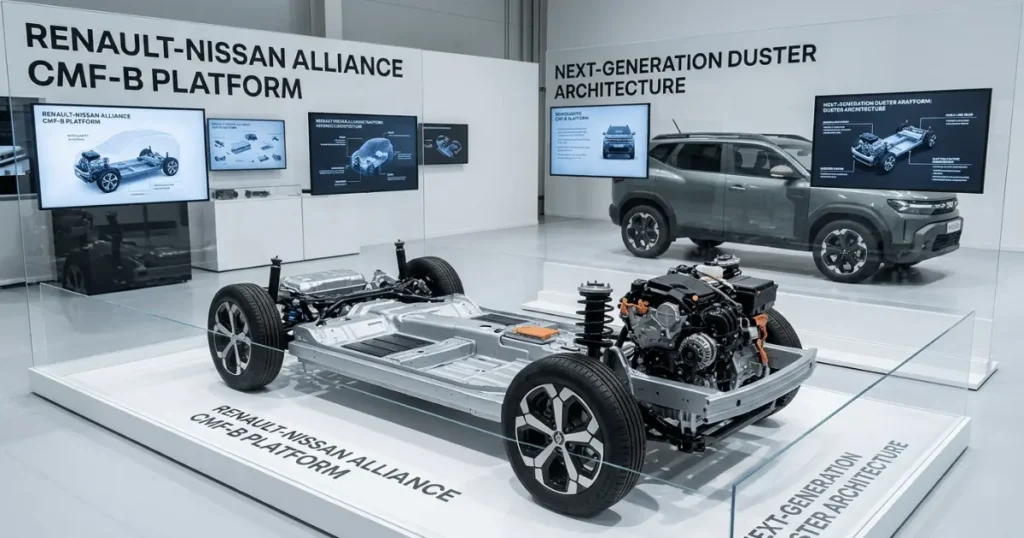
The new Renault Duster represents a complete transformation from the ground up, and the biggest shift comes from its platform. Renault has moved far beyond the old B0 architecture and introduced a much more advanced, flexible, and future-ready foundation known as the RGMP, or Renault Group Modular Platform. This platform forms the backbone of the SUV, and it directly influences everything from ride quality and safety to technology integration and long-term adaptability.
Renault did not simply import a global platform and use it as-is. Instead, the company took inspiration from its global CMF-B architecture and engineered a heavily localised version that suits Indian road conditions, customer expectations, and cost sensitivity. This approach allowed Renault to maintain global standards while ensuring that the vehicle remains practical and durable for real-world usage in markets like India.
The RGMP platform stands out because of its modular nature. Renault designed it in such a way that it can accommodate a wide range of vehicle sizes and body styles without requiring a complete redesign each time. This flexibility allows the same platform to underpin compact SUVs, mid-size SUVs like the Duster, and even larger three-row vehicles. By adjusting the wheelbase, track width, and structural components, Renault can create multiple products efficiently while maintaining consistency in engineering quality.
This modular design also plays a crucial role in improving interior space and packaging. Because the platform allows better placement of mechanical components, designers can free up more room inside the cabin. As a result, the new Duster offers better legroom, improved headroom, and a more spacious overall feel compared to its predecessor. The platform also supports a taller body structure, which helps in integrating modern features like panoramic sunroofs without compromising structural integrity.
Another key strength of the RGMP platform lies in its structural engineering. Renault uses a high-strength monocoque construction, which significantly improves rigidity compared to older designs. A stiffer body structure enhances safety because it can better absorb and distribute impact forces during a collision. At the same time, it improves driving dynamics by reducing flex in the chassis, which results in more stable handling and better control at higher speeds. The platform also contributes to a quieter cabin experience by minimising vibrations and road noise.
Renault has paid special attention to making this platform suitable for Indian conditions. The suspension setup and structural tuning have been optimised to handle rough roads, potholes, and varying terrains without compromising comfort. The platform supports higher ground clearance, which is essential for Indian driving conditions, especially in rural and semi-urban areas. This ensures that the Duster retains its rugged character while becoming more refined and comfortable than before.
One of the most significant advancements in the RGMP platform is its ability to support multiple powertrain options. Unlike older platforms that were limited in scope, this architecture can accommodate naturally aspirated petrol engines, turbocharged petrol units, hybrid systems, and even fully electric setups in the future. This flexibility ensures that the Duster remains relevant as the automotive industry shifts toward cleaner and more efficient technologies. Renault can adapt the same platform to meet future emission norms and changing customer preferences without starting from scratch.
The platform also introduces a modern electrical and electronic architecture, which is a major step forward for the Duster. This system enables the integration of advanced features such as connected car technology, large touchscreen infotainment systems, and advanced driver assistance systems. It also opens the door for future updates, including over-the-air software upgrades, which are becoming increasingly common in modern vehicles. This digital backbone ensures that the Duster is not just mechanically capable but also technologically competitive.
Driving dynamics see a noticeable improvement thanks to the new platform. The RGMP architecture allows for better weight distribution, which enhances stability and balance. The suspension geometry has been refined to deliver a smoother ride over uneven surfaces while maintaining good control during cornering. Steering response feels more precise, and the overall driving experience becomes more confident and composed. Compared to the older Duster, which focused primarily on ruggedness, the new model achieves a better balance between comfort and performance.
Despite these modern upgrades, Renault has ensured that the Duster does not lose its off-road capability. The platform still supports all-wheel-drive configurations, which means the SUV can handle challenging terrains when required. The structure is designed to withstand stress from uneven surfaces, and it works seamlessly with terrain management systems. This combination of urban usability and off-road readiness remains one of the Duster’s strongest selling points.
Another important aspect of the RGMP platform is its role in Renault’s long-term strategy. By using a common modular architecture, the company can reduce development costs and bring new models to market more quickly. This platform will likely serve as the base for multiple upcoming Renault vehicles, including larger SUVs and possibly even affordable electric models. This makes the Duster not just a standalone product but part of a broader ecosystem.
In essence, the RGMP platform transforms the Renault Duster into a modern, well-rounded SUV. It retains the rugged DNA that made the original model popular while introducing significant improvements in safety, comfort, technology, and future readiness. Renault has successfully created a platform that bridges the gap between durability and sophistication, ensuring that the new Duster feels relevant not just today but for years to come.
Renault Duster Dimensions & Practical Space
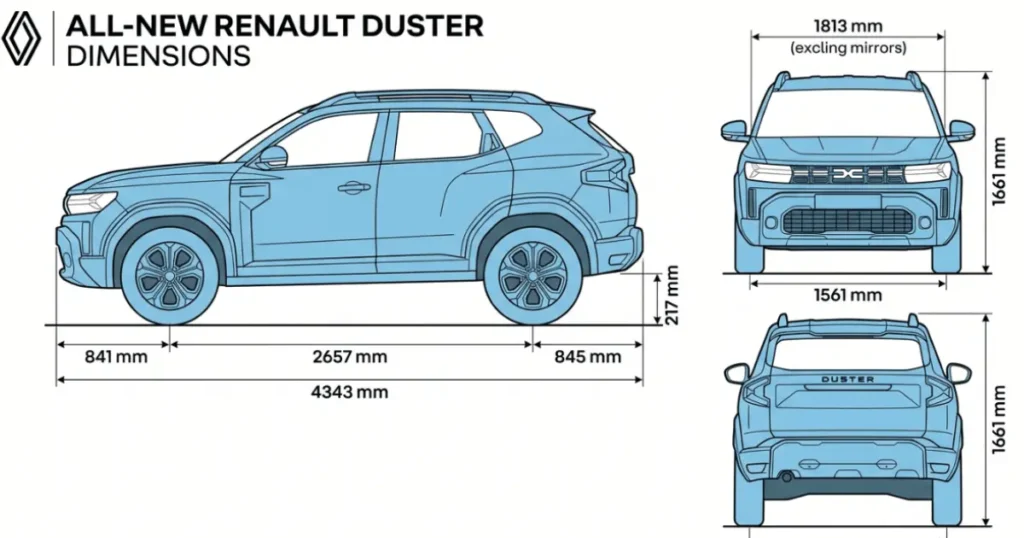
The new Renault Duster has grown in a way that you can immediately feel, not just when you look at the car from the outside, but also when you spend time inside it. Renault has carefully increased the dimensions without making the SUV feel bulky or difficult to drive, and this balance plays a very important role in its practicality.
The overall length of the new Duster sits at around 4.3 metres, which places it right in the heart of the mid-size SUV segment. This length gives the car a strong road presence without making it intimidating in city traffic. You can easily manoeuvre it through tight streets or parking spaces, yet it still looks substantial enough to compete with rivals like the Creta and Seltos. The width has also increased compared to the older model, and this extra width directly improves cabin space. When you sit inside, especially with multiple passengers, you notice that the cabin does not feel cramped. There is enough shoulder room for both front and rear passengers, which makes long journeys more comfortable.
Height is another dimension where the Duster maintains its traditional SUV character. The tall stance not only adds to its rugged appeal but also improves headroom inside the cabin. Even taller occupants will find enough space above their heads, and this becomes especially important on long drives where comfort matters more than just initial impressions. The upright design also makes entry and exit easier, which is a practical advantage for families and older passengers.
One of the most important measurements in any car is the wheelbase, and the new Duster benefits from a longer wheelbase of around 2.65 metres. metres. This increase directly translates into better legroom, particularly for rear passengers. When you sit in the back seat, you can stretch your legs more comfortably, and there is a noticeable gap between your knees and the front seatbacks. This makes the Duster a much more family-friendly SUV, especially for long-distance travel.
Ground clearance remains one of the Duster’s strongest points. With a clearance of around 210 mm, the SUV handles rough roads, speed breakers, and uneven terrain with ease. This high clearance not only improves off-road capability but also adds to everyday practicality, especially in Indian conditions where road quality can vary significantly. You do not have to worry about scraping the underbody, even when the car is fully loaded with passengers and luggage.
When you combine all these dimensions, you begin to understand how they influence practical space inside the vehicle. The cabin feels wide, airy, and comfortable because the proportions have been carefully designed. The longer wheelbase improves legroom, the increased width enhances shoulder space, and the height ensures generous headroom. Together, these elements create a balanced interior that works well for both daily commutes and long journeys.
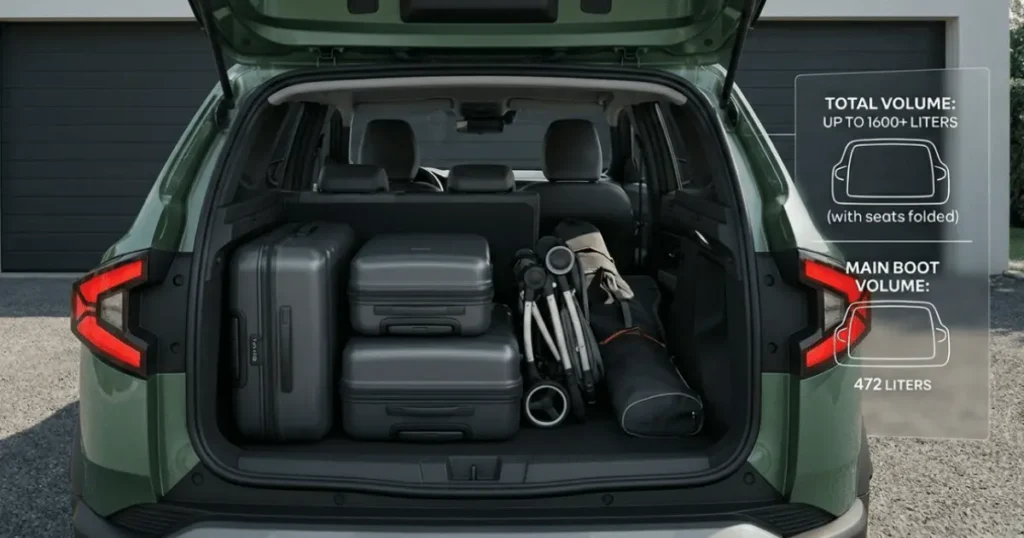
Boot space is another area where the Duster takes a significant step forward. The luggage capacity stands at around 470 to 500 litres, depending on the variant and configuration. This means you can easily fit multiple suitcases for a family trip without struggling for space. The shape of the boot is also practical, with a wide opening that makes loading and unloading much easier. Unlike some SUVs where the boot looks large on paper but feels restrictive in real use, the Duster offers usable and well-designed cargo space.
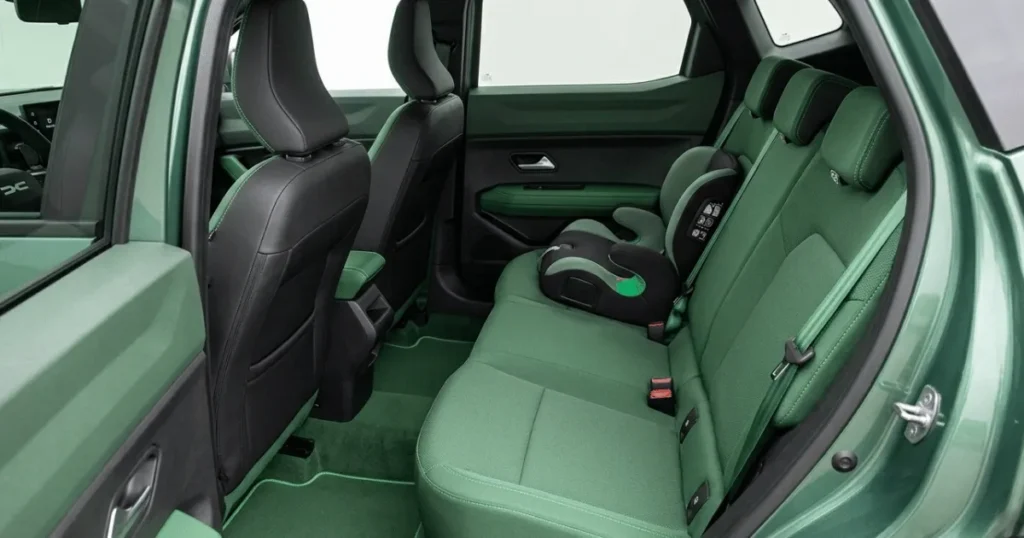
If you need more room, the rear seats can be folded down to create a much larger storage area. This flexibility allows you to carry larger items such as bicycles, luggage for long road trips, or even equipment for outdoor activities. It adds another layer of practicality that many users will appreciate over time.
What makes the Duster truly impressive is how these dimensions translate into real-world usability. It does not just offer good numbers on paper; it delivers a space that feels natural and comfortable in everyday use. You can drive it in the city without stress, park it without difficulty, and still enjoy a spacious and comfortable cabin when you head out on the highway.
In simple terms, the Renault Duster uses its dimensions intelligently. It strikes a balance between compact usability and spacious comfort, ensuring that you do not have to compromise on either. This thoughtful approach to size and space is what makes the Duster a practical and versatile SUV for a wide range of users.
New Renault Duster Features
The new Renault Duster no longer feels like a basic rugged SUV. Renault has completely transformed it into a modern, feature-loaded vehicle that now competes directly with the most advanced SUVs in its segment. What makes the new Duster interesting is not just the number of features but how thoughtfully they have been integrated to improve everyday driving, comfort, and safety.
Modern Infotainment & Digital Experience
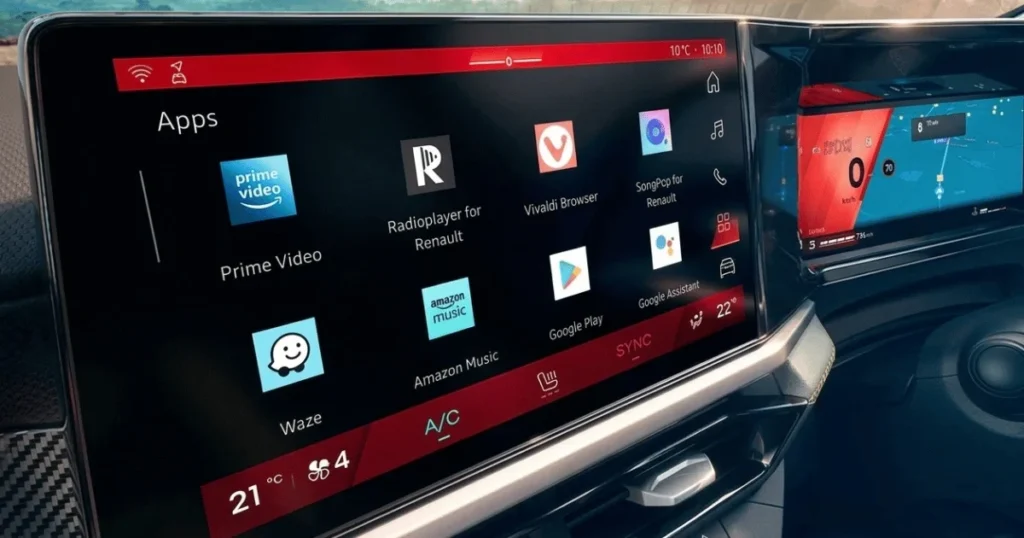
When you step inside the cabin, the biggest highlight is the completely new digital experience. Renault has introduced a large 10-inch touchscreen infotainment system that feels modern and responsive. This system runs on a Google-based interface, which means you get built-in apps, navigation, and connected car technology. You can check vehicle status, track location, and access multiple smart features directly from the screen. The size and clarity of the display make it easy to use while driving, and it adds a premium feel that the older Duster never offered.
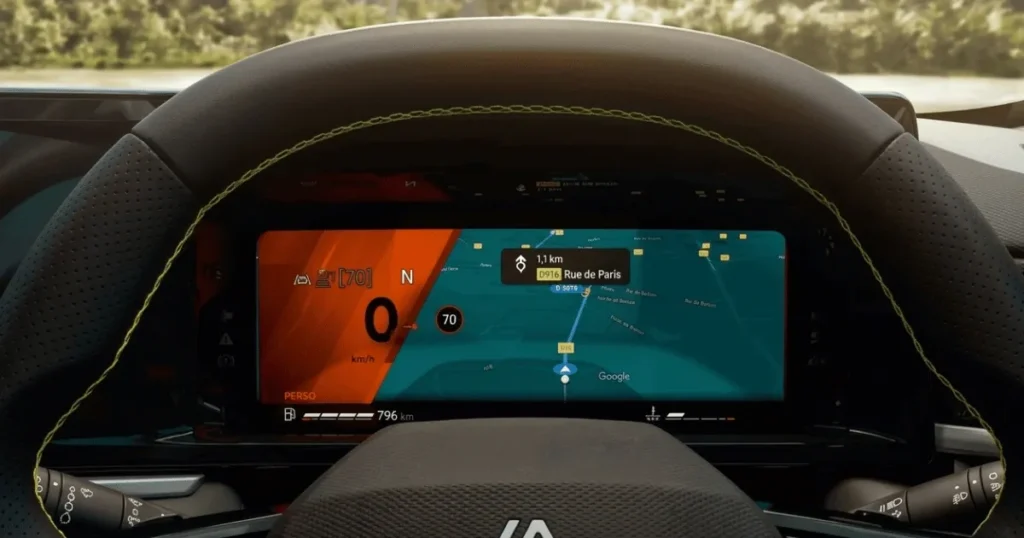
Just behind the steering wheel, Renault has replaced the traditional instrument cluster with a 10.25-inch fully digital driver display. This screen shows everything from speed and fuel data to navigation and safety alerts. The biggest advantage here is convenience—you do not have to take your eyes off the road frequently because all important information appears directly in front of you.
Comfort & Premium Cabin Features
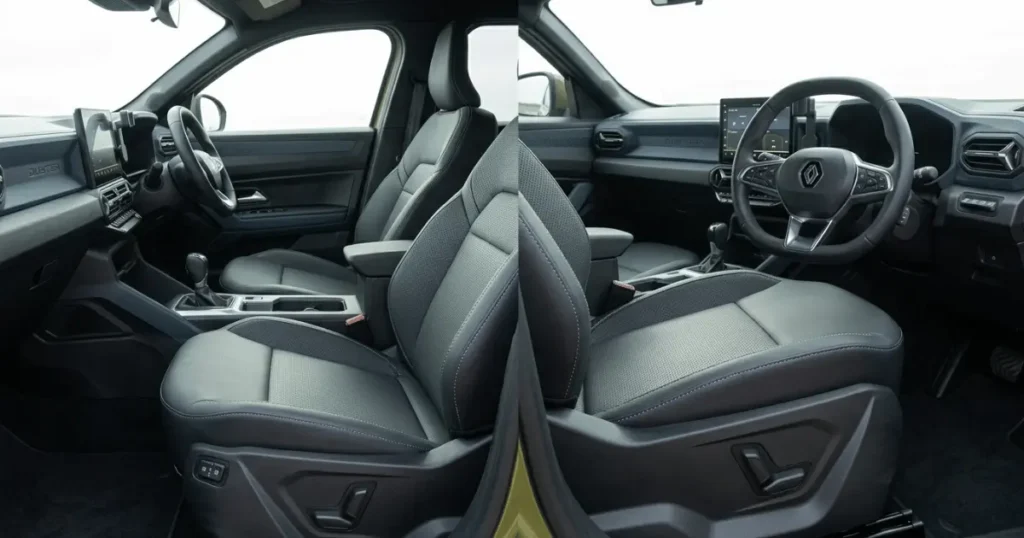
Comfort has seen a massive upgrade in the new Duster. Renault now offers powered and ventilated front seats, which is a huge improvement, especially for Indian conditions. The ventilation function becomes extremely useful during summers, while the power adjustment allows you to find the perfect driving position without effort. These seats make long journeys much more comfortable and reduce fatigue significantly.
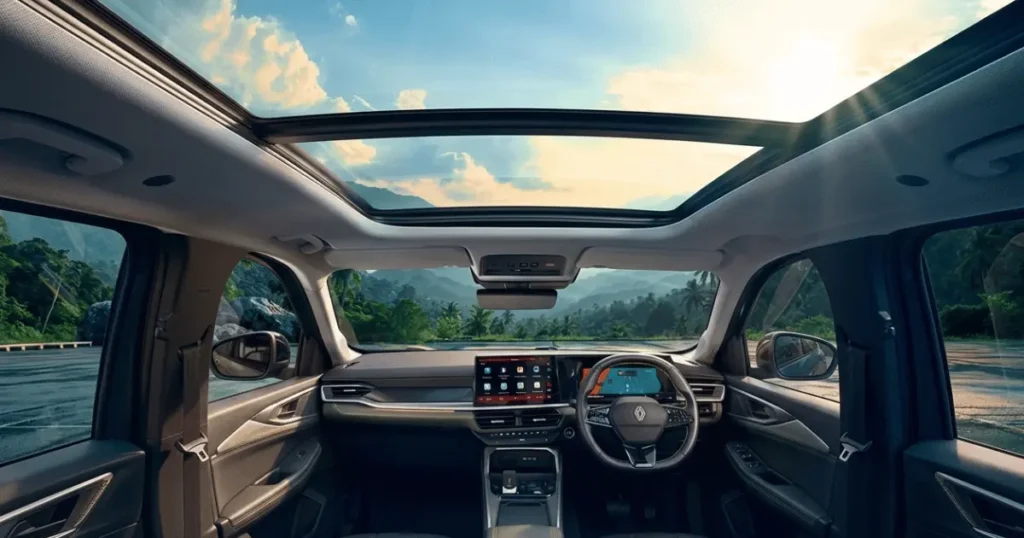
One of the most noticeable premium features is the panoramic sunroof. It stretches across a large portion of the roof and completely changes how the cabin feels. The interior becomes brighter and more open, and rear passengers especially benefit from this feature. It adds a sense of luxury that was completely missing in the earlier Duster.
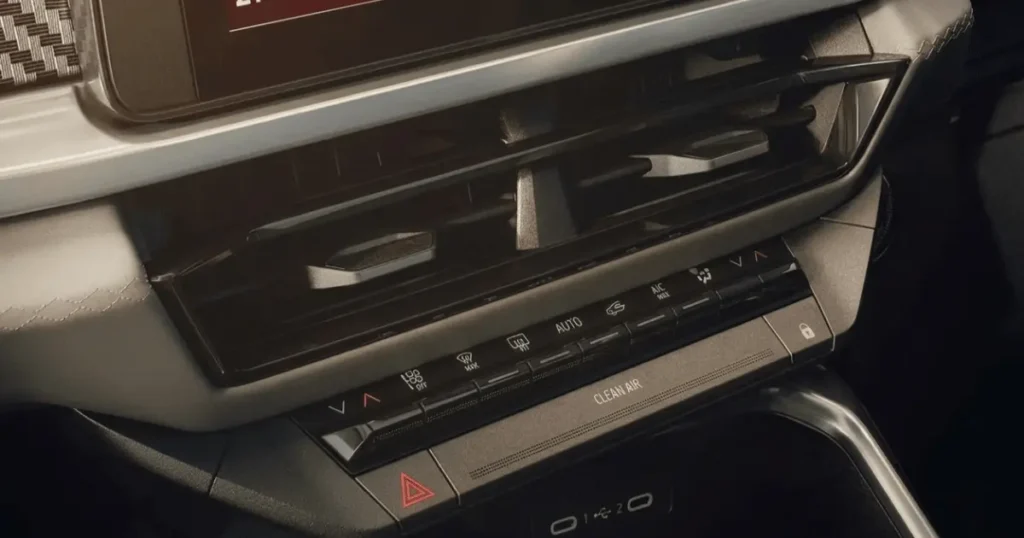
Renault has also improved climate control by introducing dual-zone automatic climate control. This feature allows the driver and front passenger to set different temperatures according to their comfort. In real-world usage, this becomes very useful, especially during long drives where different passengers may have different preferences.
Convenience & Everyday Usability
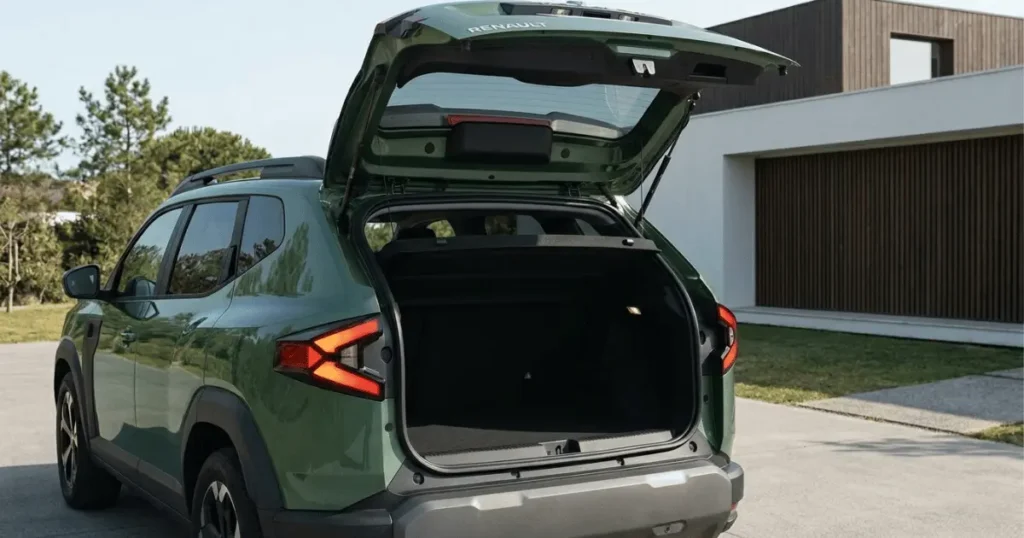
Convenience features in the new Duster go beyond just comfort. Renault has added a powered tailgate, which allows you to open and close the boot with the push of a button. This may seem like a small addition, but it becomes extremely useful when your hands are full of luggage or shopping bags.
The SUV also offers a 360-degree camera system, which significantly improves ease of driving in tight spaces. Parking in crowded areas becomes much easier because you get a complete view of your surroundings. Along with this, front and rear parking sensors further enhance convenience and safety.
Renault has also focused on everyday usability by adding features like wireless charging, multiple charging ports, and connected car technology. These features make daily life more convenient, especially for users who rely heavily on smartphones and digital connectivity. The overall cabin experience now feels modern and aligned with current expectations.
Advanced Safety & Driver Assistance
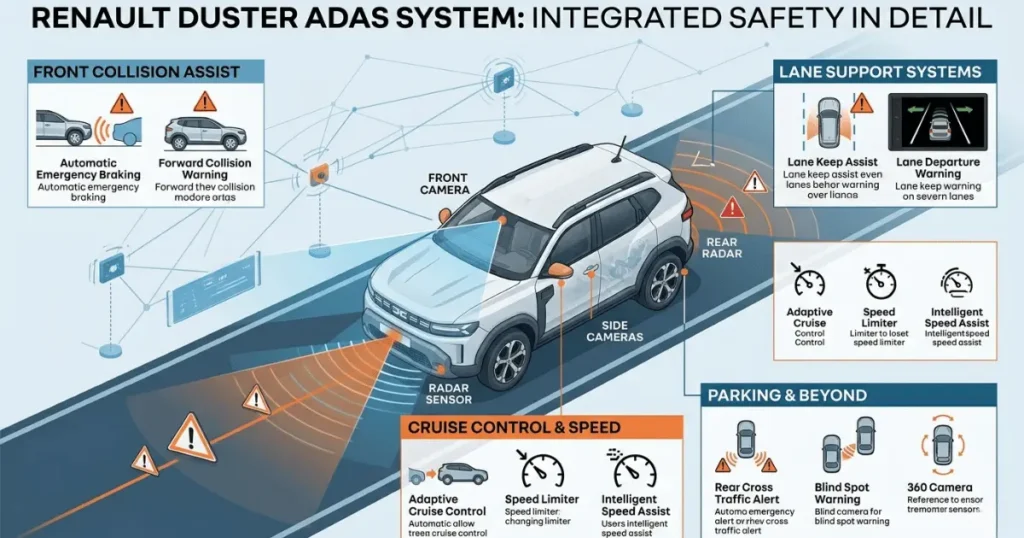
Safety has taken a big leap forward in the new Duster. Renault now offers Level-2 advanced driver assistance systems, which bring features like adaptive cruise control, lane keep assist, forward collision warning, and autonomous emergency braking. These systems actively assist the driver, especially on highways, by reducing fatigue and helping avoid potential accidents.
Apart from ADAS, the Duster includes essential safety features such as multiple airbags, electronic stability control, traction control, hill start assist, and hill descent control. These features ensure that the SUV remains stable and secure even in challenging driving conditions.
exterior Features
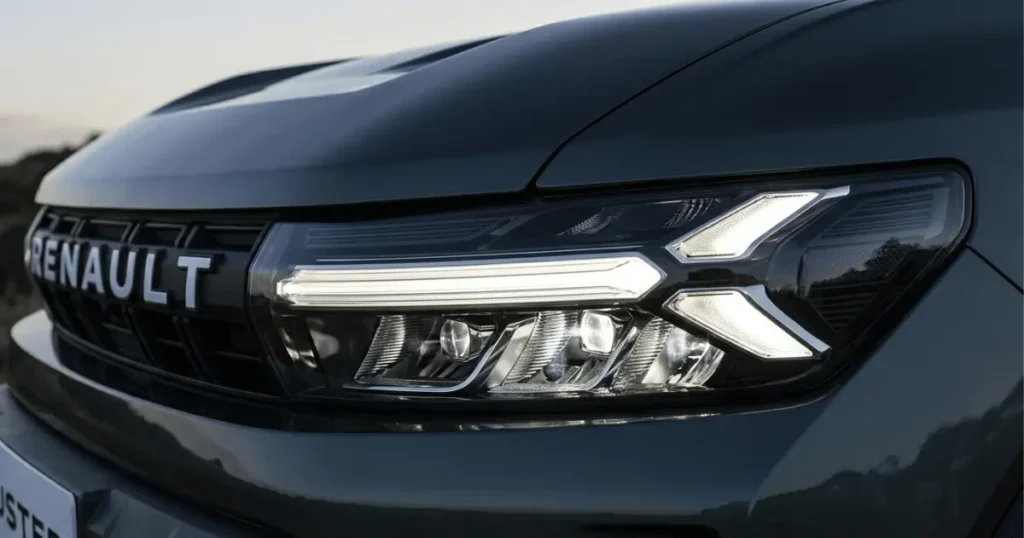
Even the exterior features contribute to functionality. The new Duster comes with full LED lighting, including LED DRLs and tail lamps, which improve visibility and add a modern touch to the design.
A standout highlight is the Y-shaped LED daytime running lights (DRLs), which create a distinctive lighting signature. This design is inspired by Renault’s latest global SUVs and gives the Duster a futuristic and aggressive look, especially at night.
The headlight units are slimmer than before and positioned higher, enhancing both visibility and road presence. The LED setup not only improves illumination efficiency but also adds to the vehicle’s rugged yet sophisticated character.
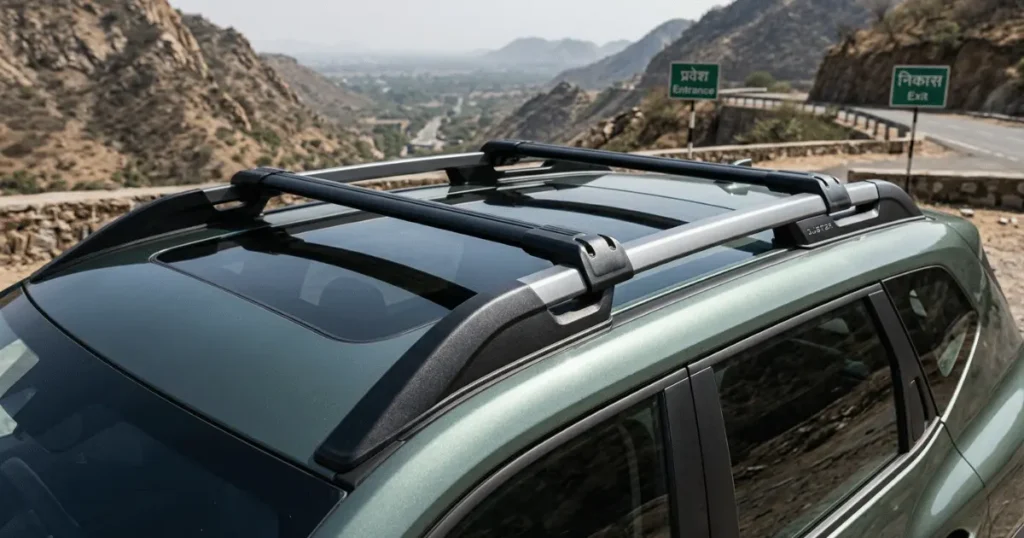
The new-generation Renault Duster comes with robust and functional roof rails, which are not just for styling but also add real practicality to the SUV. Unlike many cars in this segment where roof rails are mostly decorative, the Duster’s rails are designed to carry actual loads, making them useful for mounting luggage carriers, cycles, or adventure gear.
Renault has engineered these roof rails with a load-bearing capacity of around 50 kg, enhancing the SUV’s usability for long trips and outdoor activities. Their strong build perfectly complements the Duster’s rugged character, reinforcing its image as an adventure-ready SUV.
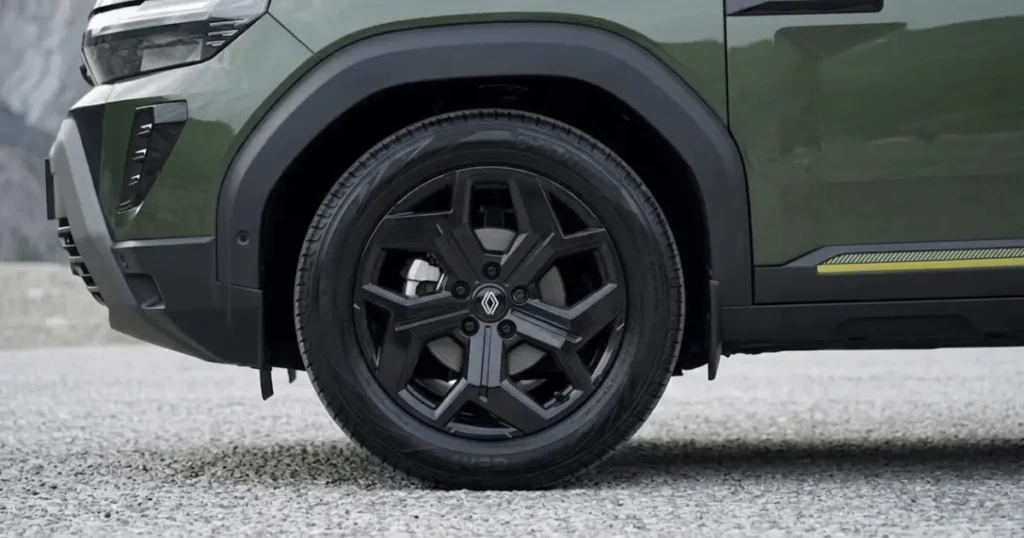
The new-generation Renault Duster features bold and rugged alloy wheels that perfectly match its tough SUV character. The latest model comes with dual-tone alloy wheels, typically ranging from 17-inch to 18-inch sizes, giving the SUV a strong road presence and enhanced stance.
The design of these alloys is completely new, featuring a modern 5-spoke pattern with blacked-out elements, which adds a sporty and premium touch. Renault has also paired these wheels with muscular wheel arches and body cladding, making the overall side profile look more aggressive and off-road ready.
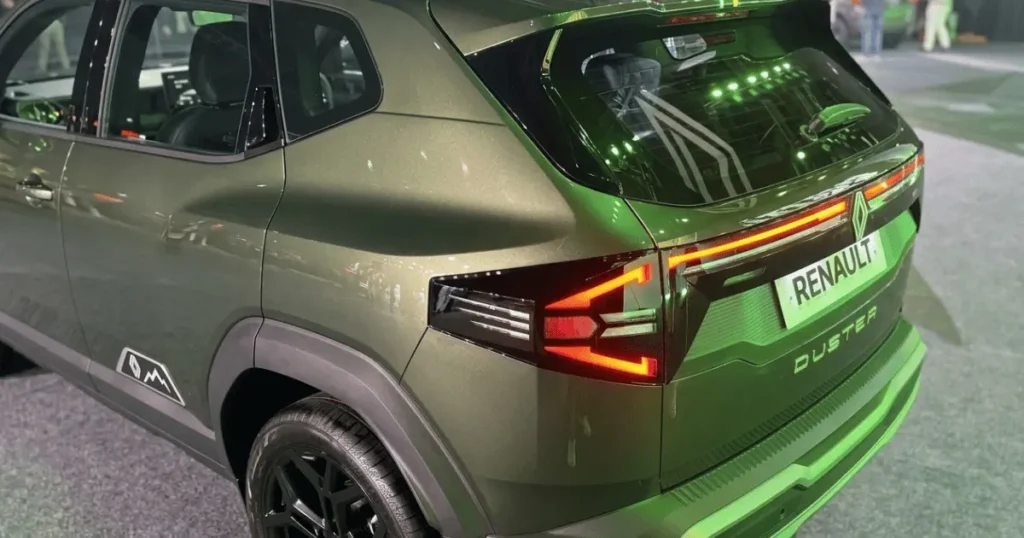
The new-generation Renault Duster gets a completely redesigned LED tail lamp setup, which enhances both its styling and road presence. The most striking element is the Y-shaped LED light signature, similar to the front DRLs, creating a consistent and modern design theme across the SUV.
These tail lamps are sharper and more sculpted than before, giving the rear a bold and futuristic appearance. The lighting elements are neatly integrated into the tailgate and body, making the SUV look wider and more stable on the road.
In addition, the rear design is complemented by features like a roof-mounted spoiler and chunky bumper, which further enhance the sporty and rugged appeal of the vehicle.
Variant-Wise Table (Engine, Transmission & Price)
Variant | Engine Option | Transmission | Expected Price (Ex-Showroom) |
Authentic (Base) | 1.0L Turbo Petrol (100 PS) | 6-Speed Manual | ₹10.29 – ₹10.49 lakh |
Evolution | 1.0L Turbo Petrol / 1.3L Turbo Petrol | Manual / Automatic (DCT) | ₹11.39 – ₹13.50 lakh |
Techno | 1.3L Turbo Petrol (160+ PS) | Manual / DCT Automatic | ₹13.00 – ₹16.00 lakh |
Techno Plus | 1.3L Turbo Petrol / Hybrid (Expected) | Manual / DCT / e-CVT | ₹15.00 – ₹17.50 lakh |
Iconic (Top) | 1.3L Turbo Petrol / Strong Hybrid | DCT Automatic / e-CVT | ₹16.99 – ₹18.09 lakh |
Final Impression
The Renault Duster’s variant lineup feels well-planned and practical. Renault has ensured that every price point offers a clear value upgrade, whether it is better performance, more features, or advanced technology. From a budget-friendly base model to a feature-loaded top variant, the Duster gives buyers multiple choices depending on their needs and budget.